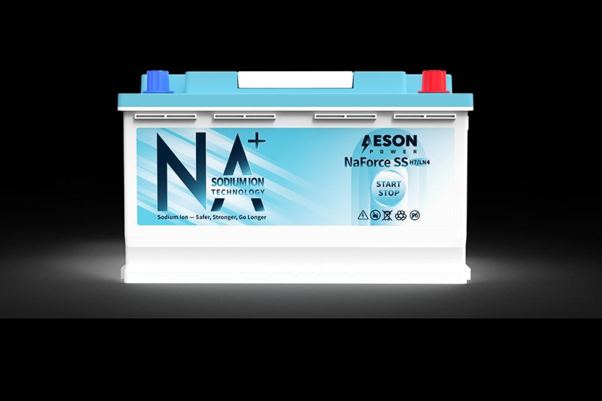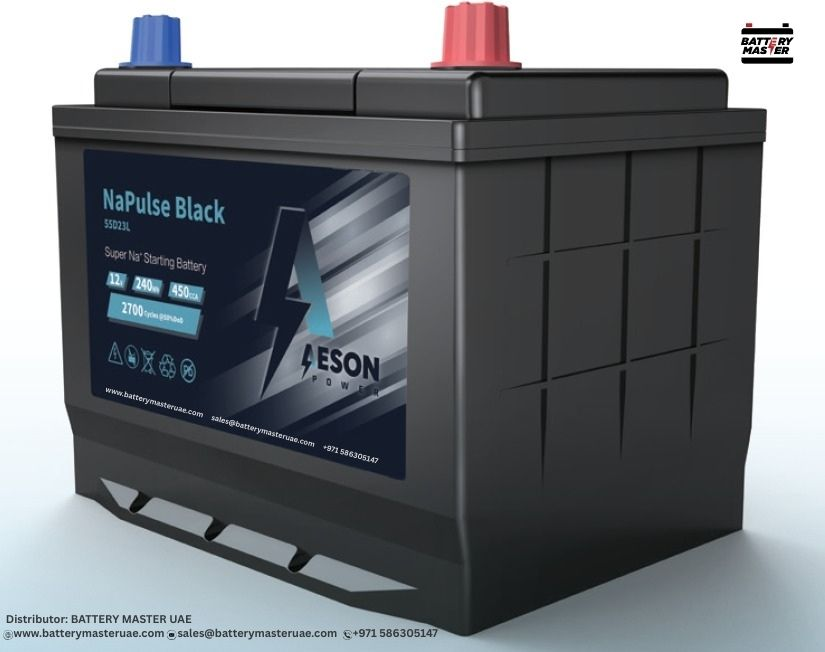
Energy storage is becoming the backbone of modern infrastructure in the United Arab Emirates. Solar farms are expanding, electric mobility is growing, and industries are demanding reliable backup power. But here is the problem. Most of this ecosystem still depends heavily on lithium-ion batteries, which come with cost volatility, safety concerns, and supply limitations.
This is exactly why the sodium ion battery is gaining serious attention.
It is not just another alternative. It is being positioned as a practical solution for large-scale, cost-sensitive energy storage. The question is not whether it works. The real question is where it fits and whether it makes sense for UAE conditions.
What Is a Sodium Ion Battery and How Does It Work?
A sodium ion battery operates on the same basic principle as lithium-ion batteries. Instead of lithium ions moving between electrodes, sodium ions carry the charge.
Core components
- Cathode made from sodium-based compounds
- Anode typically made of hard carbon
- Electrolyte that enables ion movement
Separator to prevent short circuits
How it works (simplified)
1. Sodium ions move from cathode to anode during charging
2. Energy is stored chemically
3. During discharge, ions move back, releasing energy
The advantage here is not the mechanism. It is the material. Sodium is far more abundant and easier to source than lithium.
Why the UAE Is Actively Exploring New Battery Technologies
The UAE is not experimenting randomly. Its energy strategy demands scalable and reliable storage systems.
Key drivers behind this shift
- Rapid expansion of solar energy projects
- Need for grid stability during peak demand
- High ambient temperatures affecting battery performance
- Industrial demand for reliable backup systems
- Push toward sustainability and reduced import dependency
Solar energy production peaks during the day, but consumption continues at night. Without efficient storage, a large portion of generated energy cannot be fully utilized.
Sodium Ion vs Lithium Ion: A Practical Comparison
Most comparisons online are oversimplified. Here is a realistic breakdown based on industry factors.
| Factor | Sodium Ion Battery | Lithium Ion Battery |
| Raw material availability | Highly abundant | Limited and geographically concentrated |
| Cost stability | More stable long-term | Price volatility due to lithium supply |
| Energy density | Lower | Higher |
| Safety | Lower risk of thermal runaway | Higher risk under stress |
| Temperature tolerance | Performs better in heat | Sensitive to high temperatures |
| Commercial maturity | Emerging | Fully established |
What this actually means
- Lithium-ion remains better for compact, high-energy applications like EVs
- Sodium-ion is more practical for large-scale storage where space is less critical
Where Sodium Ion Batteries Actually Make Sense
This is where most people get it wrong. Sodium-ion is not a universal replacement. It is a targeted solution.
Ideal applications
- Grid-scale energy storage
- Solar and renewable energy storage systems
- Industrial backup power
- Telecom infrastructure
- Off-grid and remote installations
In these use cases, cost, safety, and durability matter more than compact size.
Advantages That Matter in UAE Conditions
1. Better Suitability for High Temperatures
The UAE’s climate is harsh on batteries. High heat reduces efficiency and lifespan.
Sodium-ion systems:
- Handle temperature fluctuations better
- Have lower risk of overheating
- Require less aggressive cooling systems
This directly reduces operational costs.
2. Lower Long-Term Cost Potential
Lithium prices are influenced by global supply chains and mining limitations.
Sodium offers:
- Abundant raw material supply
- Reduced dependency on rare elements
- More predictable long-term pricing
For large installations, this difference becomes significant.
3. Improved Safety Profile
Thermal runaway is one of the biggest concerns in lithium-ion systems.
Sodium-ion batteries:
- Are more chemically stable
- Have lower fire risk
- Are better suited for large installations near populated or industrial areas
4. Sustainability Advantage
Sodium extraction has a lower environmental impact compared to lithium mining.
This aligns with UAE’s sustainability goals and energy transition strategies.
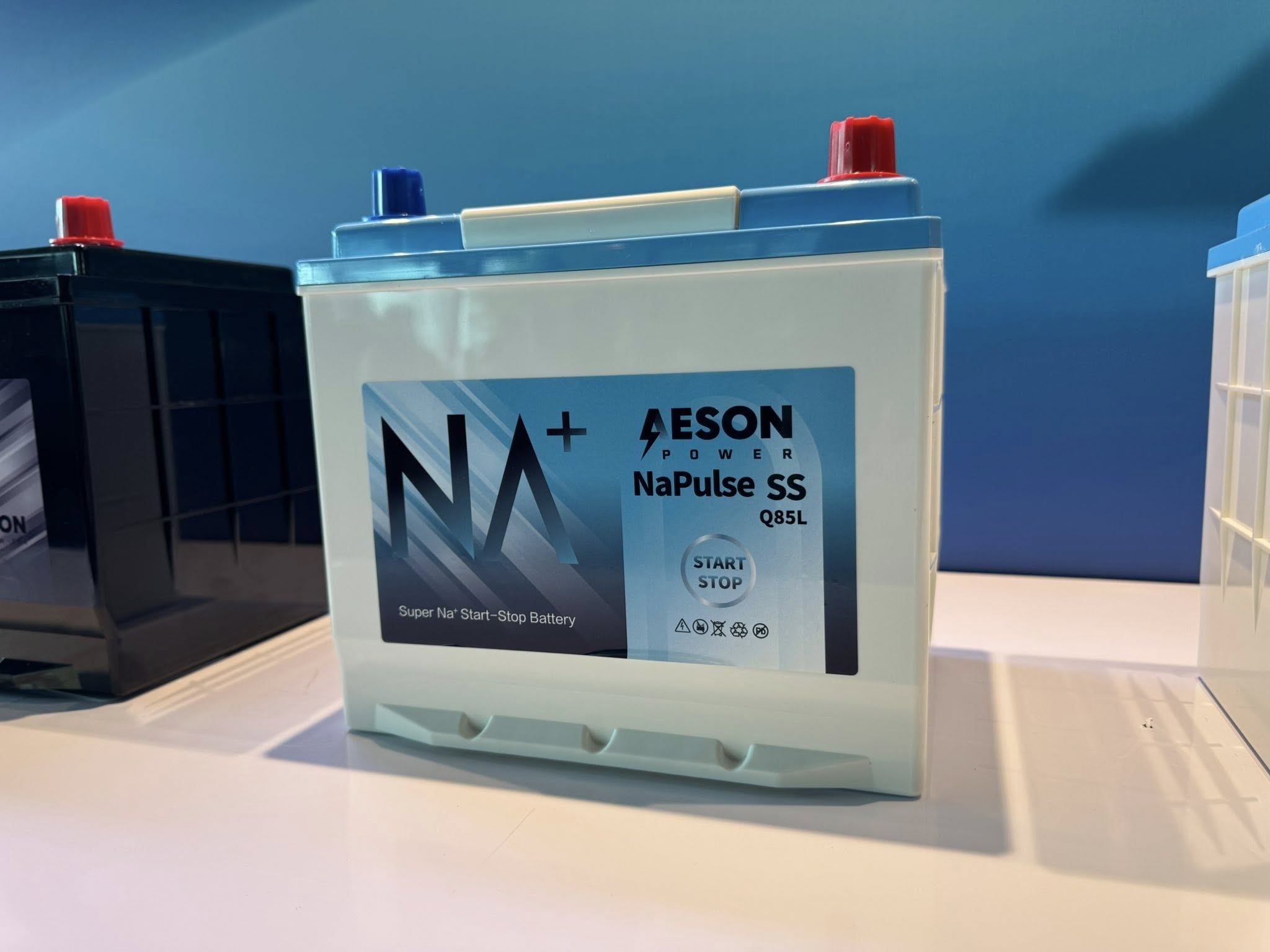
Limitations You Should Not Ignore
Ignoring limitations leads to poor decision-making.
Current drawbacks
- Lower energy density means larger physical size
- Limited commercial deployment compared to lithium-ion
- Fewer suppliers and less standardization
- Still evolving in terms of long-term performance data
This means sodium-ion is not yet ideal for
- Electric vehicles
- Compact consumer electronics
- Space-constrained applications
Industry Reality: Are Sodium Ion Batteries Ready Today?
Short answer: partially.
The technology is moving from research to early commercial deployment. Several manufacturers globally have already started production, but adoption is still in early stages.
Current status
- Suitable for pilot projects and large-scale trials
- Increasing adoption in stationary storage
- Not yet dominant in mainstream markets
Businesses should treat it as an emerging opportunity, not a default replacement.
How to Decide If Sodium Ion Is Right for You
Use this practical checklist.
Consider sodium-ion if:
You are investing in solar energy storage
You need large-scale battery systems
Heat resistance is a priority
Cost predictability matters
Space is not a major constraint
Stick with lithium-ion if:
You need compact, high-energy storage
Weight and size are critical
You require proven, widely available systems
Why Expert Guidance Matters
Choosing the wrong battery system can lead to:
- Higher operational costs
- Reduced efficiency
- Frequent replacements
- Safety risks
Working with experienced providers like Battery Master UAE helps businesses evaluate real requirements instead of following trends.
A proper assessment includes:
- Load analysis
- Usage patterns
- Environmental conditions
- Budget planning
- Future scalability
Key Takeaway
The sodium ion battery is not hype. It is a realistic solution for specific energy storage challenges.
In the UAE, where high temperatures, large-scale solar projects, and industrial demand shape energy needs, sodium-ion batteries offer clear advantages in cost, safety, and scalability.
However, they are not a universal replacement for lithium-ion systems yet.
The smartest approach is not choosing one over the other. It is choosing the right battery for the right application. For a wide variety of batteries in the UAE, visit BatteryMasterUAE or get in touch with our team at +971 56 813 0122.