


Solid-State Battery in the UAE
A solid-state battery replaces the liquid electrolyte in a lithium-ion cell with a solid one, promising higher energy density, better safety, and longer life, but it is not yet available for purchase as a car battery. Battery Master helps UAE drivers understand where this technology stands and choose the right battery for their vehicle today.
What Makes a Solid State Battery Different
A conventional lithium-ion battery moves lithium ions between electrodes through a liquid electrolyte. A solid-state lithium battery uses a solid electrolyte material instead. Because it removes the flammable liquid, which can leak or break down under stress or damage, much of the fire risk is reduced, and the design opens the door to higher energy density and a longer service life.
Advantages of a Solid-State Battery:
If the technology delivers, a fully realised solid-state battery offers three main improvements over today’s lithium-ion cells:
- Greater energy density: more range or run-time for the same size and weight.
- Better inherent safety: no flammable liquid electrolyte.
- Longer usable lifespan: less capacity fade over repeated charging.
These are the reasons major automakers and battery manufacturers have invested heavily in the research.
Why You Can’t Buy a Solid-State Battery Yet
The solid-state battery is still in the early stages of commercialisation across the industry, and mass consumer or automotive availability remains limited. Toyota, QuantumScape, and Solid Power are among the companies closest to production, but all are working through significant obstacles:
- High manufacturing costs
- The complexity of producing a stable solid electrolyte at scale
- Interface stability between the solid electrolyte and the electrodes
- Scaling lab-proven cells into mass-manufactured products
Industry timelines generally point to broader automotive adoption between 2027 and 2030, though these are projections rather than confirmed dates.
Semi-Solid Batteries Available Today:
Semi-solid batteries are a practical middle step toward full solid-state technology. They are already in commercial use in specialised applications such as industrial drones, energy storage systems, and robotics, where they have shown reliable performance. They are not the same as the fully solid-state batteries planned for future EVs, but they are real, working progress along the same path.
Battery Options for Your Vehicle Today:
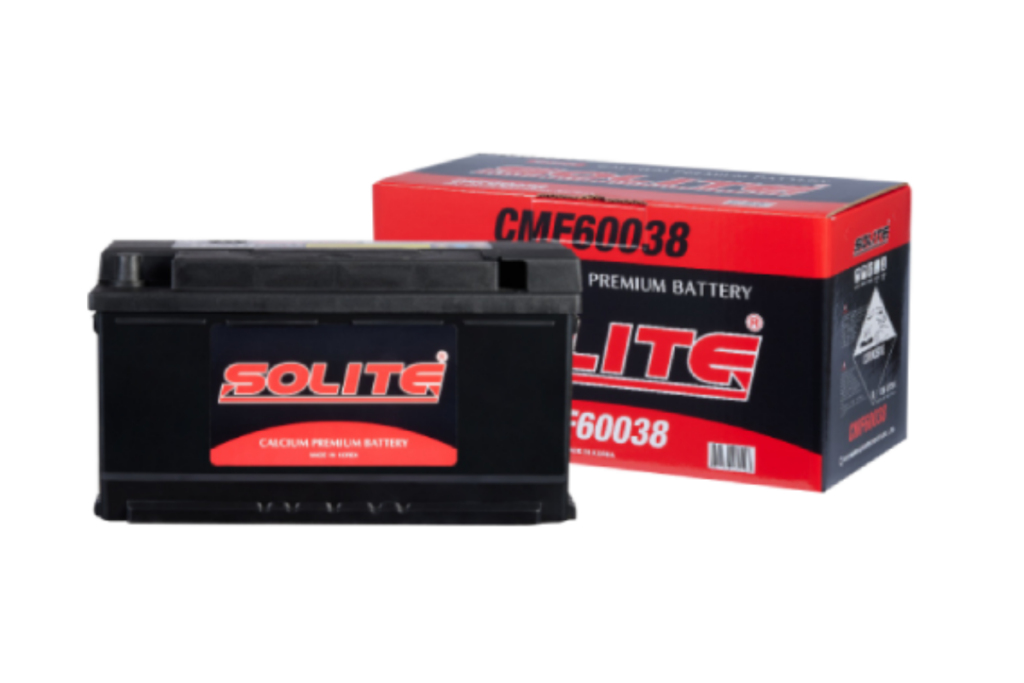
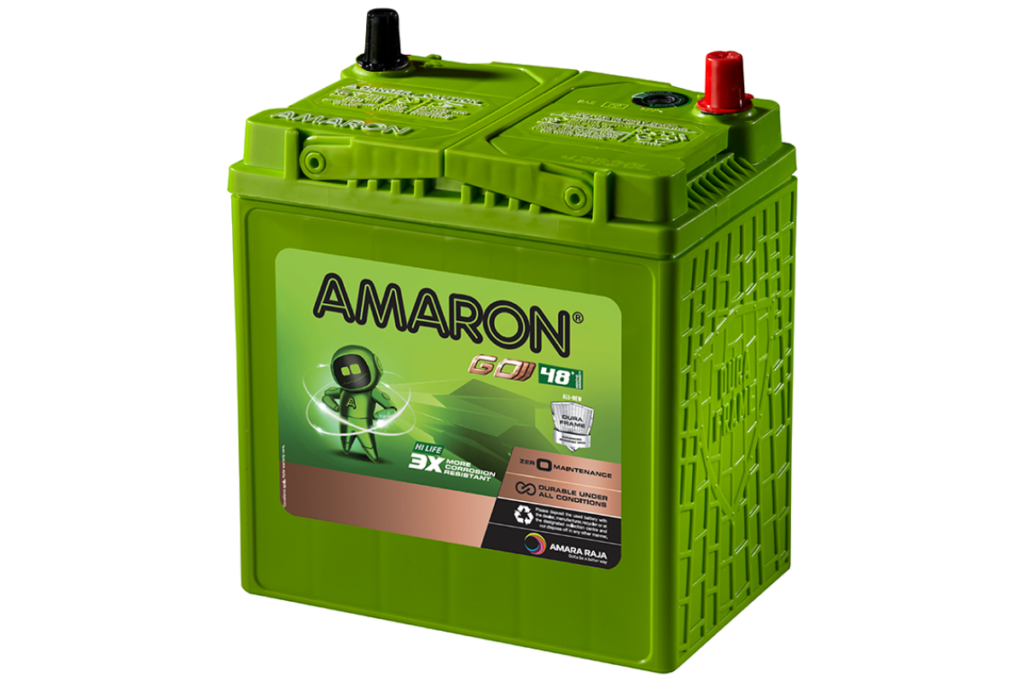
A solid-state battery is not part of your decision right now, because it is not available as a starter or automotive traction battery. The right choice today is a conventional lead-acid, EFB, or AGM battery matched to your vehicle’s specification. Battery Master offers a wide range of non-solid batteries, including Varta Battery, Solite Battery, Amaron Battery, and Energizer Battery, and our team can confirm exactly which one fits your car.
Why Choose Battery Master:
- Genuine, warrantied batteries across leading brands
- Expert help matching the right battery to your vehicle
- Fast delivery and installation across the UAE
Contact Battery Master today to get the right battery for your car.
Frequently Asked Questions
Can I buy a solid-state car battery today?
No. Fully solid-state batteries are not yet commercially available for consumer vehicles. The technology is still in development and early production across the industry.
Which companies are closest to producing solid-state batteries?
Toyota, QuantumScape, and Solid Power are among the companies most often cited as furthest along, though all still face manufacturing and scaling challenges.
When will solid-state batteries be available in cars?
Industry projections generally point to broader automotive adoption between 2027 and 2030. This is an estimate rather than a confirmed timeline.
What is the difference between semi-solid and fully solid-state batteries?
Semi-solid batteries are a transitional technology already used in applications like drones and energy storage. Fully solid-state batteries, the version aimed at future EVs, are still working through manufacturing and cost challenges before wider release.