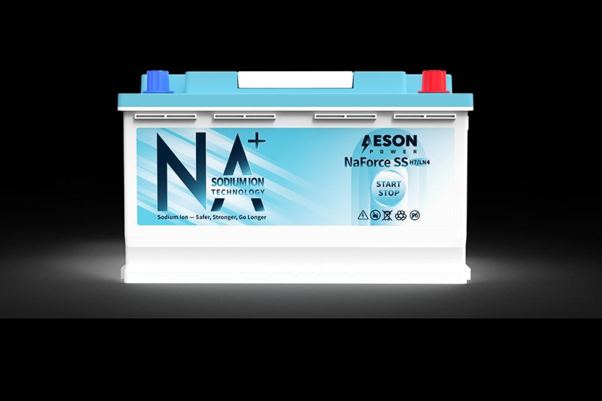
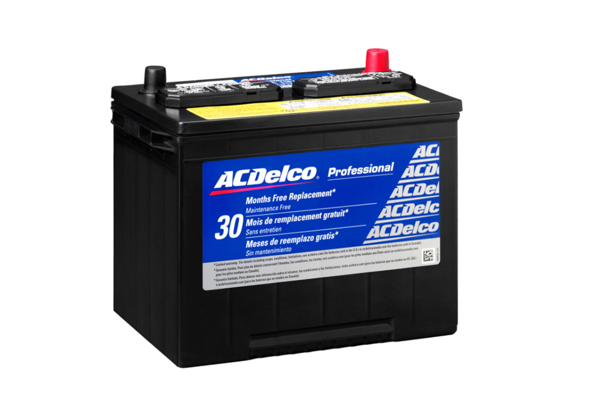
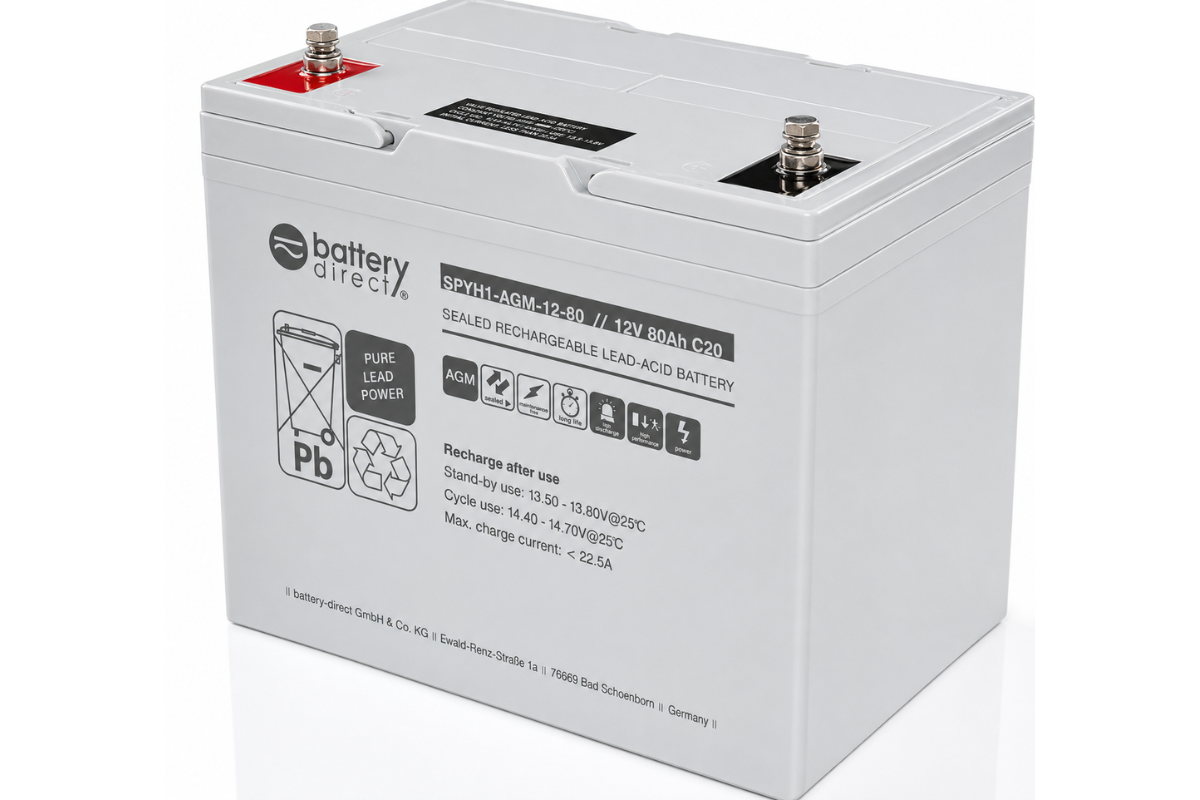
For decades, the energy storage conversation has started and ended with lithium. Lithium-ion batteries powered the smartphone revolution, drove the EV boom, and became the default solution for everything from grid storage to power tools. But lithium has limitations that the industry has quietly been working around for years, and a serious alternative has now moved from laboratory curiosity to commercial reality.
The sodium ion battery is no longer a concept. It is a product, and it is already changing the way engineers, fleet operators, and energy storage buyers think about their options.
What Makes a Sodium Ion Battery Different
At its core, a sodium ion battery works on the same electrochemical principle as its lithium counterpart. Ions move between the anode and cathode through an electrolyte during charge and discharge cycles, generating and storing electrical energy. The fundamental difference is the charge carrier: sodium ions instead of lithium ions.
Sodium is the sixth most abundant element on Earth, found in vast quantities in seawater, salt deposits, and mineral formations across virtually every region. This is in stark contrast to lithium, which is concentrated in a handful of countries and requires energy-intensive extraction processes. The material abundance of sodium translates directly into lower and more stable raw material costs, making the sodium ion battery inherently less exposed to the supply chain volatility that has periodically driven lithium carbonate prices to extreme levels.
From a chemistry standpoint, sodium ions are larger than lithium ions, which historically created challenges around energy density and electrode degradation. Advances in cathode materials, particularly the development of layered oxide and Prussian blue analogue structures, have addressed many of these challenges and brought sodium ion systems to energy densities that are genuinely competitive for a wide range of applications.
Key Technical Advantages Worth Understanding
One of the most practically important characteristics of a sodium ion battery is its performance at low temperatures. Lithium-ion batteries lose a significant portion of their capacity in cold environments, a well-documented limitation for EV drivers in cold climates and for outdoor energy storage installations. Sodium ion chemistry maintains better capacity retention at low temperatures, making it a more reliable option in demanding thermal conditions.
Sodium ion batteries also demonstrate strong thermal stability. They are less prone to thermal runaway, the dangerous exothermic chain reaction that has been at the center of high-profile lithium-ion battery fires. For stationary energy storage applications, industrial settings, and any environment where safety margins matter, this is a meaningful advantage.
The ability to discharge a sodium ion battery to near-zero state of charge without degradation is another practical benefit. Lithium-ion batteries should not be stored fully discharged for extended periods, as this can cause irreversible capacity loss. Sodium ion chemistry is more tolerant of deep discharge and extended storage in a low-charge state, reducing management complexity in real-world applications.
Where Sodium Ion Batteries Are Being Used Today
Stationary energy storage is currently the primary commercial application for sodium ion batteries, and it is a strong fit. Grid-scale and building-level storage systems benefit from the lower cost per kilowatt-hour, the improved safety profile, and the reduced dependence on constrained supply chains. Solar and wind energy storage installations are particularly well suited, as the cost sensitivity of these projects makes material economics central to the investment case.
Light electric vehicles, including electric two-wheelers, low-speed EVs, and small commercial vehicles, are another active application area. In markets where driving ranges are moderate and battery replacement cost matters, sodium ion technology offers a compelling value proposition.
Industrial and backup power applications, including UPS systems and telecom tower batteries, are also emerging as strong use cases, particularly where thermal performance and cycle stability across variable loads are priorities.
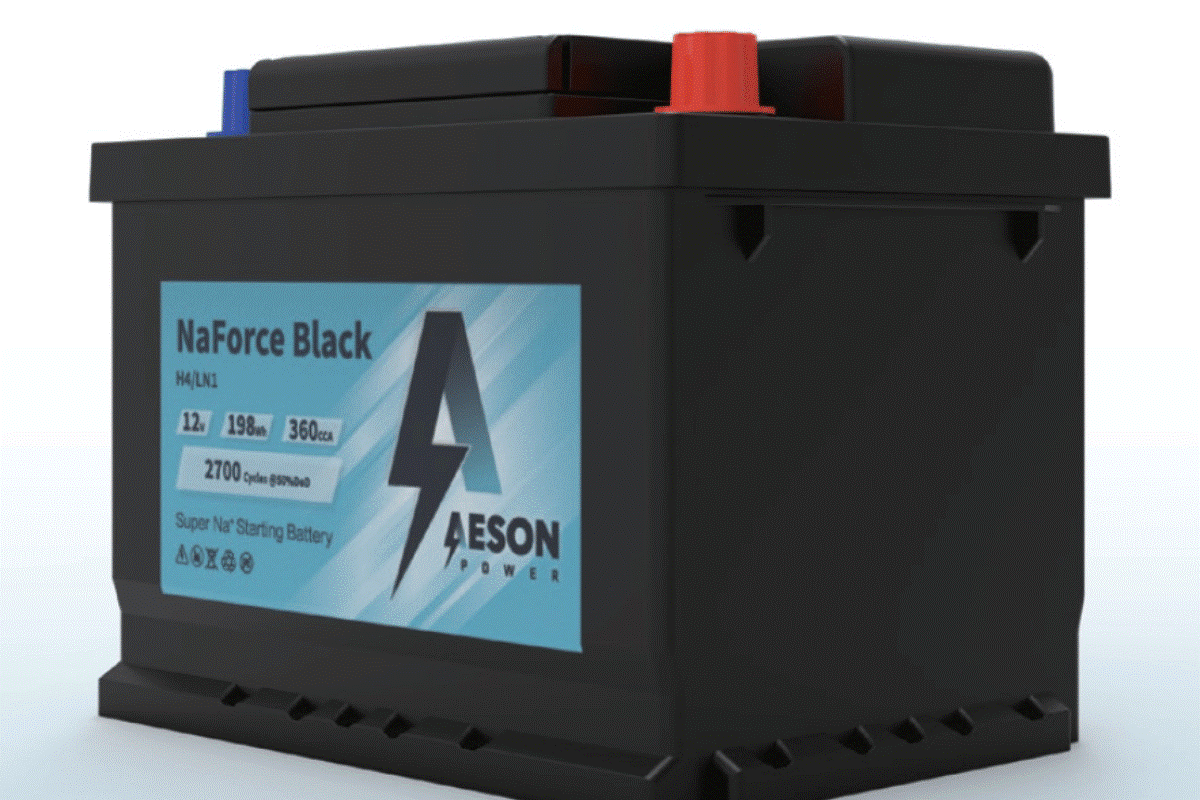
Get Sodium Ion Batteries in the UAE from Battery Master
Battery Master UAE stocks Aeson Power sodium ion batteries and serves customers across the UAE with fast delivery and genuine product support. Whether you are evaluating sodium ion technology for an energy storage project, industrial application, or EV deployment, the Battery Master team can help you select the right specification and size for your requirements.
Reach out to Battery Master UAE through our website or call the team directly to discuss your needs and get a competitive quote.