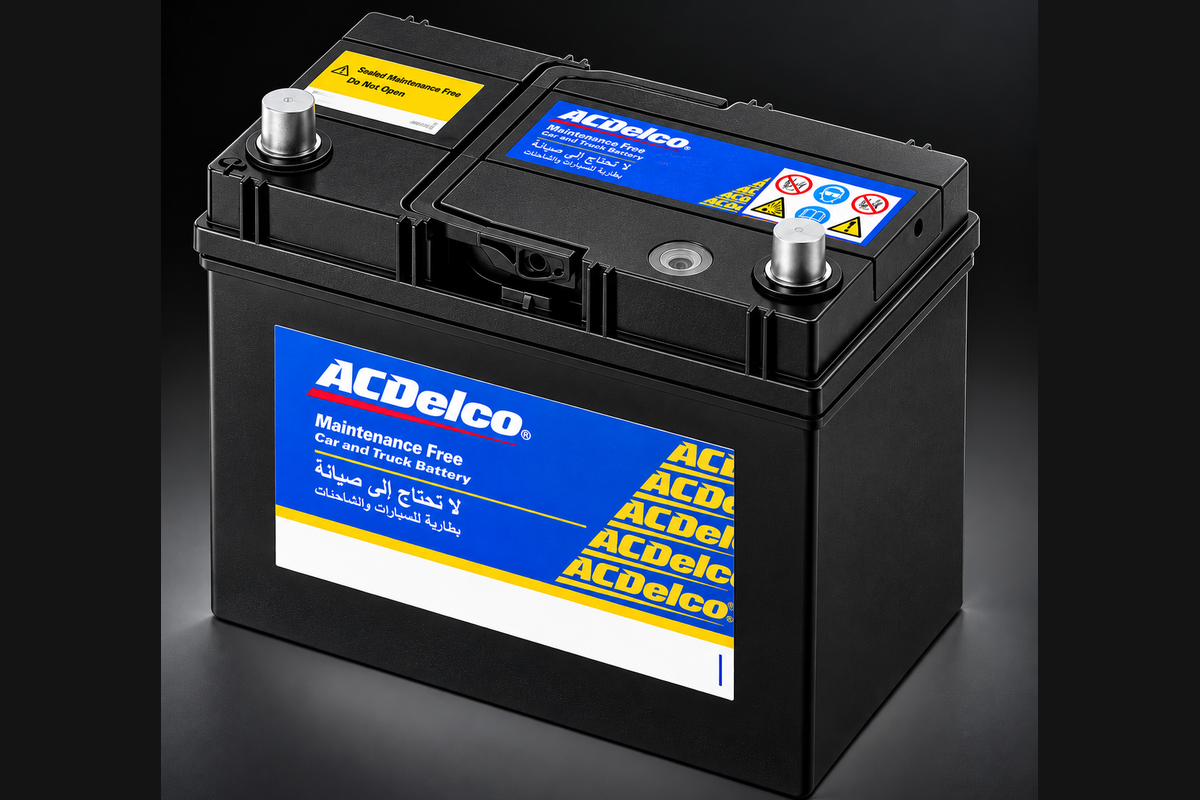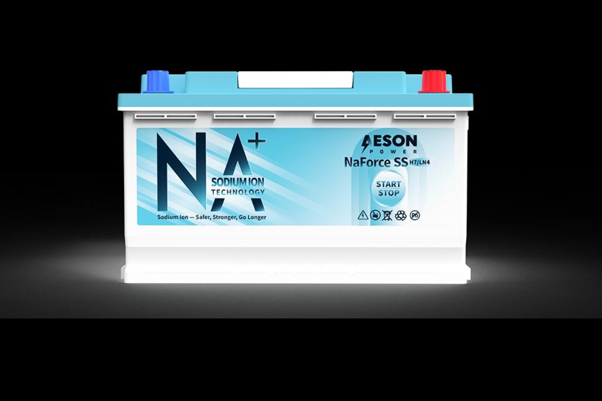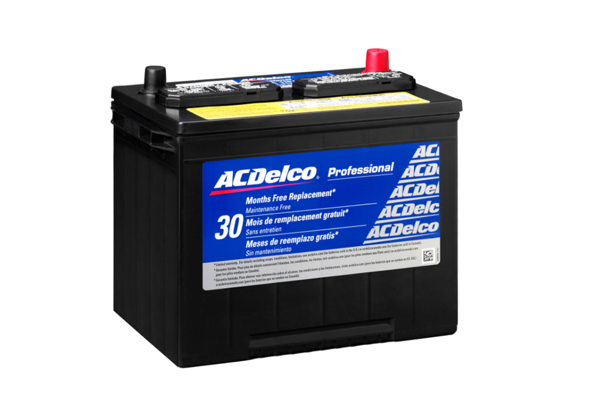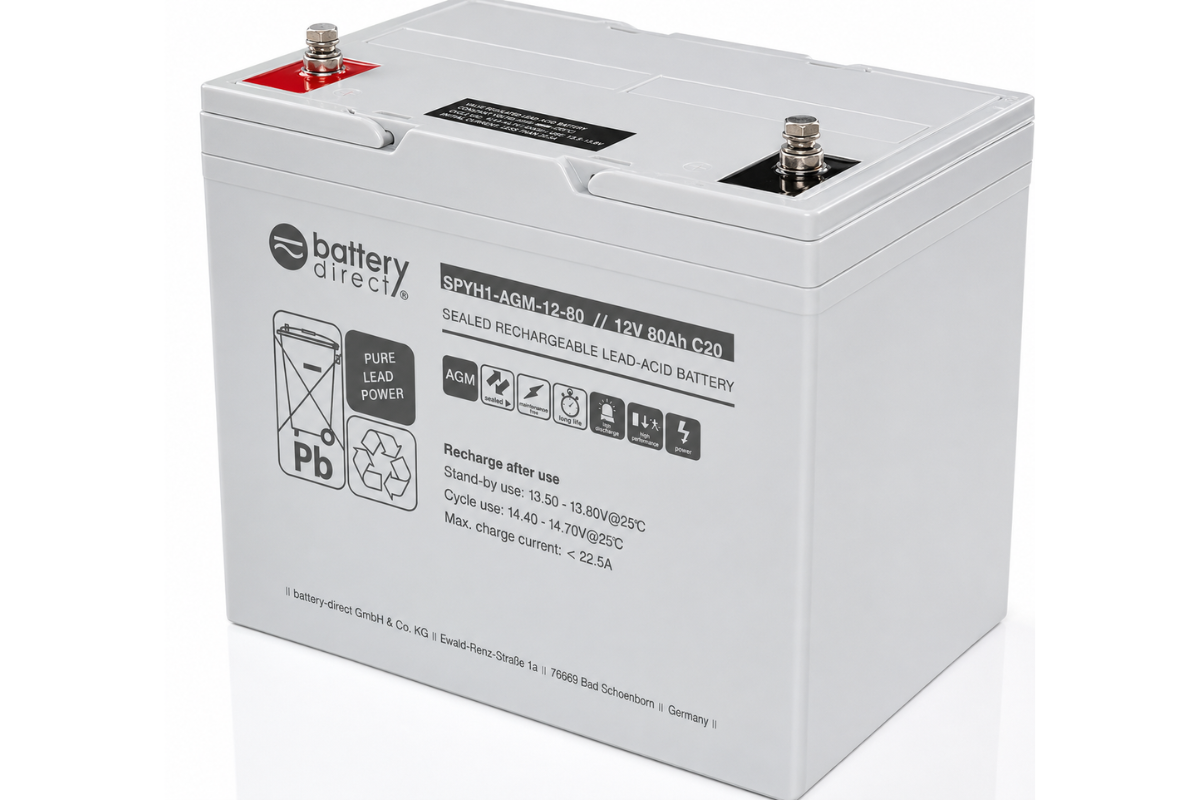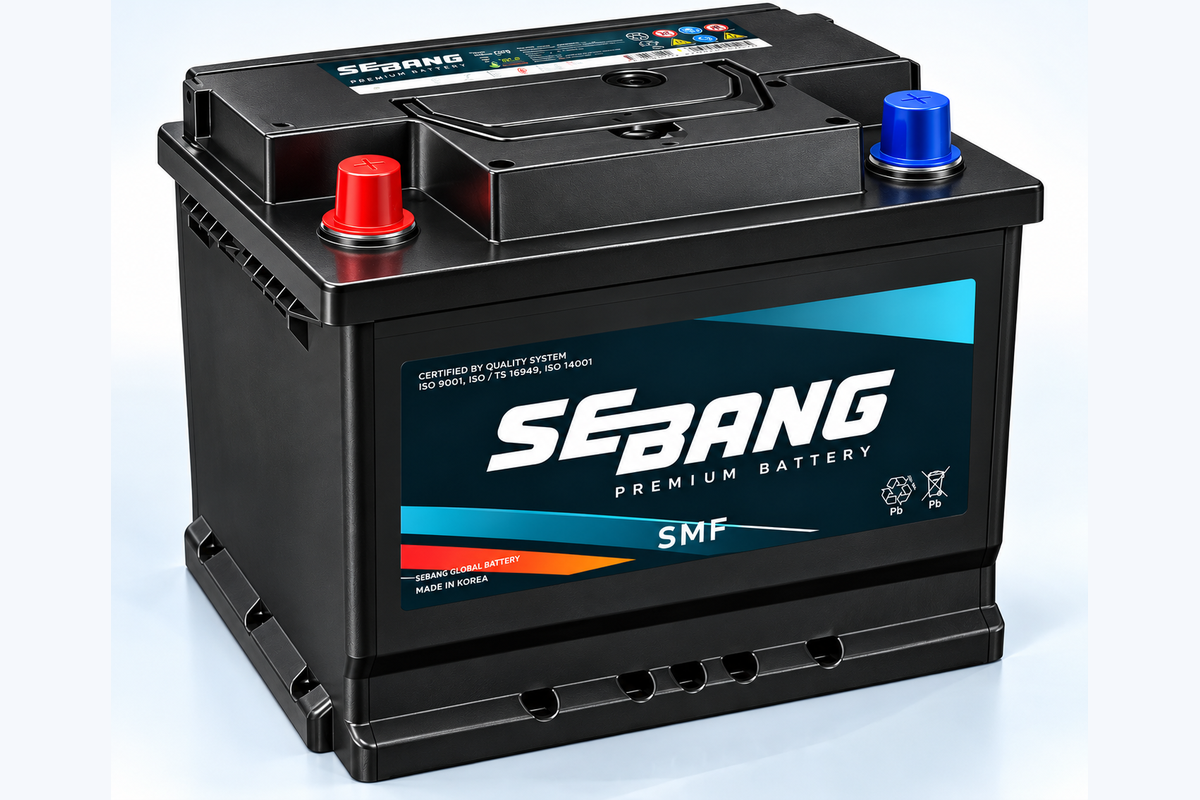
Choosing the right car battery is important for reliable starting, smooth performance, and a trouble-free driving experience. However, with different battery sizes available, it can be difficult to know which one your vehicle needs. DIN60, DIN66, and DIN74 are common battery size designations that drivers may come across when replacing a battery.
Although these batteries may look similar, they can differ in dimensions, capacity, starting power, and fitment requirements. Choosing a battery simply because it looks suitable or costs less can lead to starting problems, installation issues, or poor performance.
At Battery Master, we believe selecting a car battery should be simple. Understanding the differences between these three battery sizes can help you make a more informed decision and avoid unnecessary guesswork.
In this guide, we explain what DIN60, DIN66, and DIN74 mean, how they compare, and what to check before purchasing a replacement battery. Whether you are considering a DIN60 Battery or a larger alternative, this blog will help you choose a battery that matches your vehicle’s requirements.
What Do DIN60, DIN66, and DIN74 Mean?
DIN refers to the German industrial standards historically associated with automotive battery specifications. In the battery market, DIN size labels are commonly used to identify a battery’s physical size and related specifications.
The numbers in DIN60, DIN66, and DIN74 are commonly associated with nominal capacity classes, typically around 60Ah, 66Ah, and 74Ah, respectively. Ah stands for ampere-hour, a unit used to describe a battery’s electrical capacity.
However, the number alone does not tell you everything about a battery. Two batteries with similar capacity ratings may have different dimensions, terminal positions, starting power, or technology.
Here is what each designation generally indicates
- DIN60: A battery in the approximate 60Ah capacity class, often suitable for vehicles designed for a smaller DIN battery.
- DIN66: A battery in the approximate 66Ah capacity class, offering more nominal capacity than a typical DIN60.
- DIN74: A battery in the approximate 74Ah capacity class, generally offers higher nominal capacity than the other two options.
DIN60 vs DIN66 vs DIN74: A Quick Comparison
| Feature | DIN60 | DIN66 | DIN74 |
| Typical capacity | Around 60Ah | Around 66Ah | Around 74Ah |
| Capacity level | Lower | Medium | Higher |
| General application | Vehicles requiring a smaller DIN battery | Vehicles requiring a mid-range DIN battery | Vehicles requiring a higher-capacity DIN battery |
| Starting power | Depends on the model | Depends on the model | Depends on the model |
| Physical dimensions | Must be checked | Must be checked | Must be checked |
Best choice
| When specified by the manufacturer | When specified by the manufacturer | When specified by the manufacturer |
1. When Should You Choose a DIN60 Battery?
A DIN60 Battery is worth considering when your vehicle requires a battery in the 60Ah capacity class and the product matches the required dimensions, terminal layout, and starting power.
This size may suit certain compact and mid-size vehicles, depending on the engine, model year, and original equipment specifications.
A DIN60 Battery can be a practical choice because it provides the capacity the vehicle was designed to use without automatically moving to a larger battery.
Choose it when:
- Your existing battery is a compatible DIN60 model.
- Your owner’s manual specifies the same battery class.
- The battery meets the required cold-cranking amps (CCA).
- Its dimensions and terminal positions match the battery tray and cables.
2. When Is DIN66 the Better Option?
DIN66 generally offers more nominal capacity than DIN60. This may be useful in vehicles designed for a larger battery or with greater starting-power requirements.
However, the additional capacity does not automatically make DIN66 a better replacement. A battery must also supply the correct starting current and work with the vehicle’s charging system.
Consider DIN66 if:
- Your vehicle manufacturer specifies this battery class.
- Your existing battery label identifies a compatible DIN66 model.
- You need the correct combination of capacity and starting power for your engine.
3. What Makes DIN74 Different?
DIN74 generally belongs to a higher capacity class than DIN60 and DIN66. Depending on the battery model, it may also provide higher starting power.
It can be suitable for vehicles that require this larger battery class, including some higher-demand applications. However, the correct size depends on the manufacturer’s specifications rather than the vehicle’s appearance or engine size alone.
Before choosing DIN74, check:
- The available battery tray space.
- The required Ah and CCA ratings.
- The terminal position and cable reach.
- The specified battery technology, such as AGM or conventional lead-acid.
- Any start-stop system requirements.
Five Checks to Make Before Buying a Replacement Battery
Comparing DIN60, DIN66, and DIN74 is easier when you look beyond the size label. At Battery Master, we recommend checking these five details before selecting a replacement.
1. Check the owner’s manual
Your vehicle handbook usually lists the recommended battery specifications. Use this information as your starting point rather than relying on a general online chart.
2. Measure the battery dimensions
Check the length, width, and height. Even batteries with similar capacity ratings may have different dimensions, so the replacement must fit securely.
3. Compare the CCA rating
Cold cranking amps measure a battery’s ability to deliver starting current under standardised cold conditions. Make sure the replacement meets the vehicle manufacturer’s minimum requirements.
4. Confirm terminal positions
Check which side has the positive terminal and whether the cables can connect safely without stretching or crossing incorrectly.
5. Match the battery technology
Some vehicles require AGM or EFB batteries, especially those with start-stop systems. Follow the specified battery type and replacement procedure.
Why Battery Choice Matters in the UAE?
Driving conditions in the UAE can put additional demands on a car battery. High temperatures can accelerate battery ageing, while frequent short trips and heavy electrical use may affect how well the battery recharges.
Air conditioning, navigation systems, entertainment features, and other electrical equipment all contribute to the vehicle’s electrical demand.
To help your battery perform reliably:
- Arrange regular battery health checks.
- Look out for slow engine cranking or warning lights.
- Avoid leaving electrical accessories running unnecessarily when the engine is off.
- Replace a weak battery before it leaves you stranded.
- Choose a battery that matches your vehicle’s requirements and local operating conditions.
Common Mistakes to Avoid When Choosing DIN60, DIN66, or DIN74
Even a good-quality battery may cause problems if it is not compatible with your vehicle. Avoid these common mistakes when shopping for a replacement.
- Choosing the highest capacity: More Ah does not automatically mean better performance. The battery must meet the vehicle’s specifications.
- Ignoring battery dimensions: A battery that doesn’t fit securely can create installation and safety issues.
- Overlooking CCA: A suitable capacity rating does not guarantee enough starting power.
- Mixing battery technologies: Replacing an AGM battery with a conventional battery without checking compatibility can affect vehicle performance.
- Assuming all models use the same battery: Different engines, model years, and vehicle variants may require different specifications.
How Battery Master Can Help You Find the Right Battery
At Battery Master, we help customers explore car battery options from established brands, including Amaron, Varta, Exide, and AC Delco. Our product range includes different battery types and capacities for a variety of automotive requirements.
When choosing between DIN60, DIN66, and DIN74, our recommendation is to start with your vehicle’s exact requirements rather than selecting a battery based on price or capacity alone.
You can take these simple steps:
1. Identify the battery currently installed in your vehicle.
2. Note its size, capacity, CCA, and battery technology.
3. Check your vehicle’s recommended specifications.
4. Compare compatible options and confirm the correct fitment before purchase.
Final Thoughts
Choosing between DIN60, DIN66, and DIN74 does not have to be complicated. Understand the capacity differences, check the physical fit, and make sure the replacement meets your vehicle’s electrical requirements.
A DIN60 battery may be the right choice for one vehicle, while another may need DIN66 or DIN74. The best option is not necessarily the largest or most expensive battery, but the one designed to work with your car.
At Battery Master, we encourage drivers to make informed battery choices for reliable performance and peace of mind. By checking the specifications before you buy, you can avoid guesswork and choose a replacement with greater confidence. Visit Battery Master to explore available batteries or contact our team for assistance with selecting a suitable replacement.