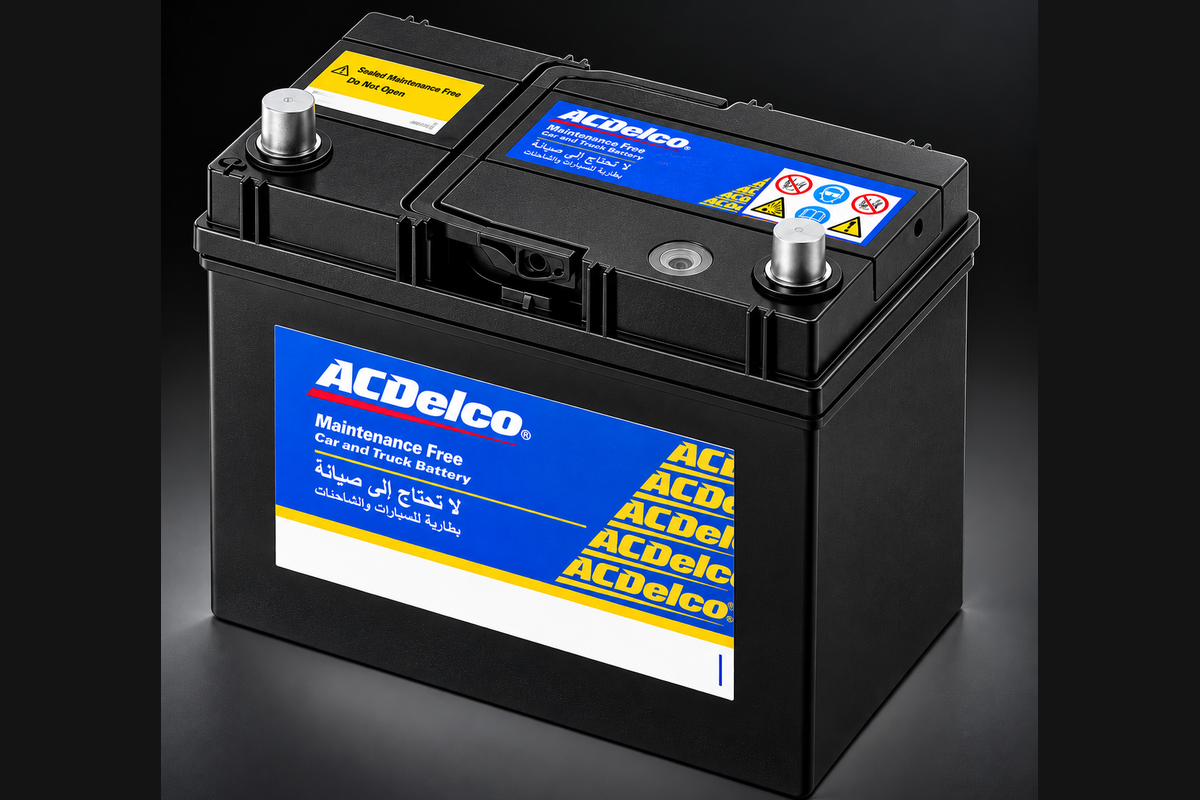
Solar lighting and backup systems are useful for homes, offices, shops, and outdoor spaces. They help provide power when the main electricity supply is unavailable and can reduce dependence on the grid. However, the performance of any backup system depends on choosing the right battery.
A 12V 45Ah MF Battery can be a practical option for small solar lighting systems, emergency lights, and selected backup applications. But is it powerful enough for your needs? The answer depends on how much electricity your devices use, how long you need them to run, and how efficiently your system stores and delivers power.
At Battery Master, we understand that choosing a battery involves more than checking its voltage and capacity. You also need to consider battery type, charging requirements, usage patterns, and long-term reliability.
In this guide, we explain how a 12V 45Ah maintenance-free battery works, where it can be useful, and how to decide whether it is the right fit for your solar lighting or backup setup.
What a 12V 45Ah MF Battery Offers?
Before choosing a battery, understand what the numbers and letters mean.
- 12V (volts): This is the battery’s nominal voltage. It determines which electrical systems the battery can support.
- 45Ah (amp-hours): This indicates the battery’s rated capacity under specified test conditions.
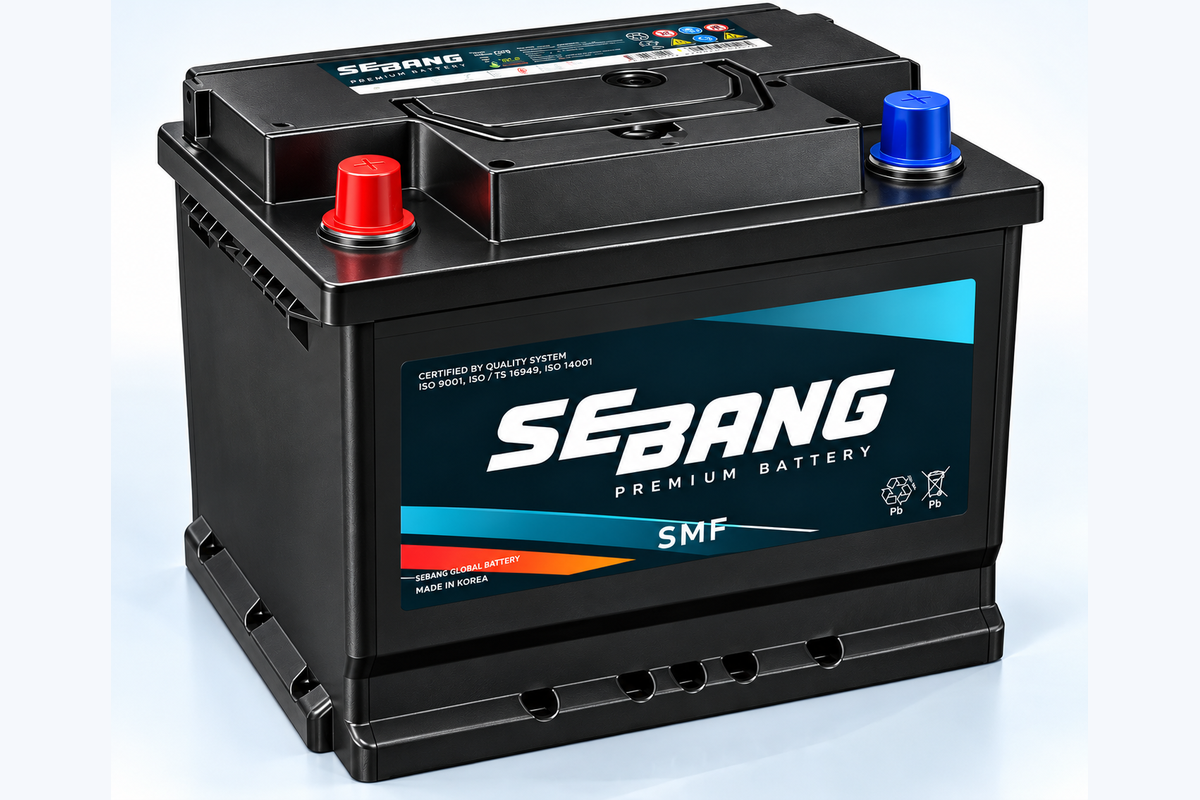
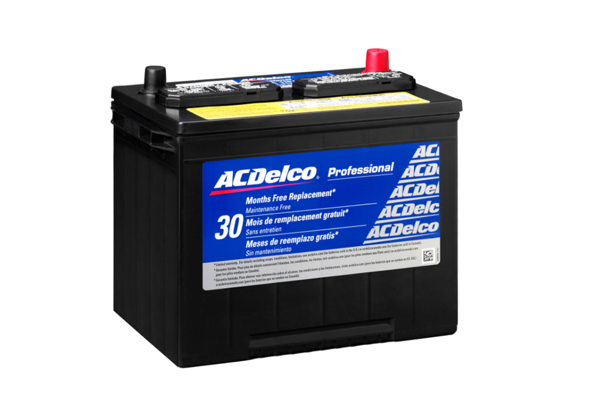
- MF (maintenance-free): This generally refers to a sealed battery design that does not require routine water topping-up. The exact construction depends on the product.
A 12V 45Ah MF Battery has a nominal energy capacity of approximately 540 watt-hours (Wh).
The calculation is simple:
12 volts × 45 amp-hours = 540 watt-hours
However, this does not mean you can use the full 540Wh to power your devices. Actual usable energy depends on the battery chemistry, discharge limits, temperature, battery age, and efficiency losses.
Why Battery Capacity Matters in Solar Lighting?
Solar panels generate electricity during suitable daylight conditions. A charge controller manages the charging process and helps protect the battery. The stored energy then powers connected lights and other compatible devices when sunlight is unavailable.
The battery plays a central role because solar generation and electricity demand do not always happen at the same time.
A battery with insufficient capacity may run out of energy before the night ends. On the other hand, choosing a much larger battery than necessary can increase the initial cost of the system.
A 12V 45Ah MF Battery may be suitable when:
- You need to operate a few LED lights for several hours.
- You want a small backup system for occasional power cuts.
- You need stored energy for a compatible low-power lighting application.
- Your daily energy demand is predictable and relatively low.
- Your solar panel and charge controller can recharge the battery properly.
Is a 12V 45Ah MF Battery Suitable for Solar Lighting?
A 12V 45Ah MF Battery can appear suitable for small solar lighting applications, but one important point to consider: not every maintenance-free battery is designed for repeated deep discharge.
For example, Battery Master lists certain 12V 45Ah maintenance-free batteries, including the Solite CMF54519, as automotive starter batteries. These are designed primarily to provide the high current needed to start an engine.
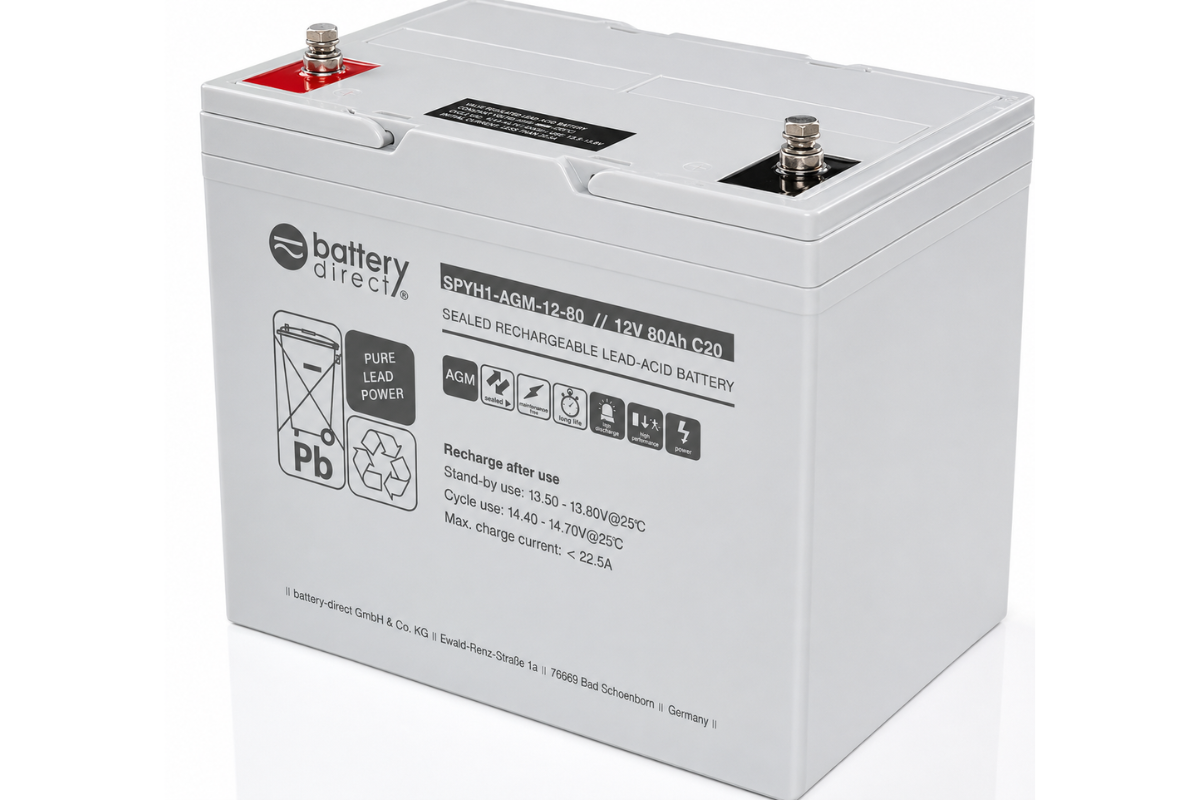
Solar lighting systems often charge and discharge their batteries repeatedly. Depending on the application, a deep-cycle battery designed for this type of use may be a better choice.
Before buying, check the manufacturer’s specifications for:
- Intended application and permitted discharge depth
- Expected cycle life under your operating conditions
- Recommended charging voltage and current
- Compatibility with your solar charge controller
- Warranty terms for your intended use
We recommend choosing a battery based on its intended use, not just its voltage and amp-hour rating.
Can It Handle Home Backup During Power Cuts?
A 12V 45Ah MF Battery may support a small backup system, provided the battery type, discharge limits, and connected equipment are suitable. However, its capacity is limited when compared with the needs of a typical household.
For instance, consider a small backup system powering a 10W LED light and a 15W Wi-Fi router.
The combined load is 25W. If both devices run for four hours, they consume:
25W × 4 hours = 100Wh
That amount may be manageable for a suitable 45Ah battery. However, inverter losses and the battery’s usable capacity must also be considered if the devices operate on AC power.
A larger load changes the calculation quickly. Running a television, fan, computer, and multiple lights together can use much more energy than a small lighting setup. A 12V 45Ah MF Battery is therefore more appropriate for selected low-power backup needs than for powering an entire home.
Choosing the Right Solar Panel and Charge Controller
A battery needs the right charging equipment to deliver reliable performance. Even a suitable battery may perform poorly if the solar panel cannot recharge it properly or the charge controller uses incorrect settings.
1. Match the solar panel to your daily energy use
Your solar panel should generate enough energy to meet the daily load and replace the energy used from the battery.
Actual panel output also depends on sunlight, shading, panel orientation, and weather.
2. Use a compatible charge controller
The charge controller regulates power flowing from the solar panel to the battery. It should support the battery’s voltage and chemistry and use the correct charging profile.
Incorrect charging can reduce battery life or create safety risks.
3. Allow for less sunny days
Do not design your system around ideal sunlight alone. If you need lighting every night, consider what will happen after a cloudy day or two.
You may need a larger battery, a larger solar panel, or an alternative charging source to maintain reliable operation.
What Affects Battery Runtime and Lifespan?
Two systems using the same battery may deliver different results. This happens because battery performance depends on more than its rated capacity.
The following factors are particularly important:
- Depth of discharge: Regularly using too much of the stored energy can shorten the life of many lead-acid batteries.
- Temperature: High temperatures can speed up battery ageing, while low temperatures can reduce available capacity.
- Charging quality: Incorrect charging settings may lead to undercharging, overcharging, or reduced performance.
- Load size: Higher power demand drains the battery more quickly.
- Battery age: An older battery may no longer provide its original capacity.
- Usage pattern: Frequent cycling can affect lifespan, especially if the battery is not designed for repeated discharge.
How to Decide Whether 45Ah Is Enough for Your Setup?
The easiest way to make the right decision is to calculate your daily energy requirements. Follow these steps before purchasing a battery.
Step 1: List your devices
Write down every light or device you want to power and its wattage.
Step 2: Calculate daily consumption
Multiply each device’s wattage by the number of hours it will operate. Add the results together.
Step 3: Estimate usable battery energy
Start with the rated capacity of 540Wh, then apply the manufacturer’s permitted discharge limit and account for system losses.
Step 4: Check recharging capacity
Confirm that your solar panel can replace the energy used each day under realistic sunlight conditions.
Why Choose Battery Master for Your Battery Requirements?
Choosing a battery is easier when you have access to suitable products and clear information about their applications.
At Battery Master, we offer a range of battery options from established brands, covering different vehicle and equipment requirements. Our website also features maintenance-free batteries, UPS batteries, and solar battery categories.
We encourage customers to consider the complete application before choosing a model. A battery designed for engine starting may not be the best option for a solar lighting system that requires repeated cycling.
When selecting a battery, we recommend checking:
- The required voltage and capacity
- The intended application and battery chemistry
- The expected backup duration
- The charging equipment and installation requirements
- The product warranty and manufacturer guidance
Final Thoughts
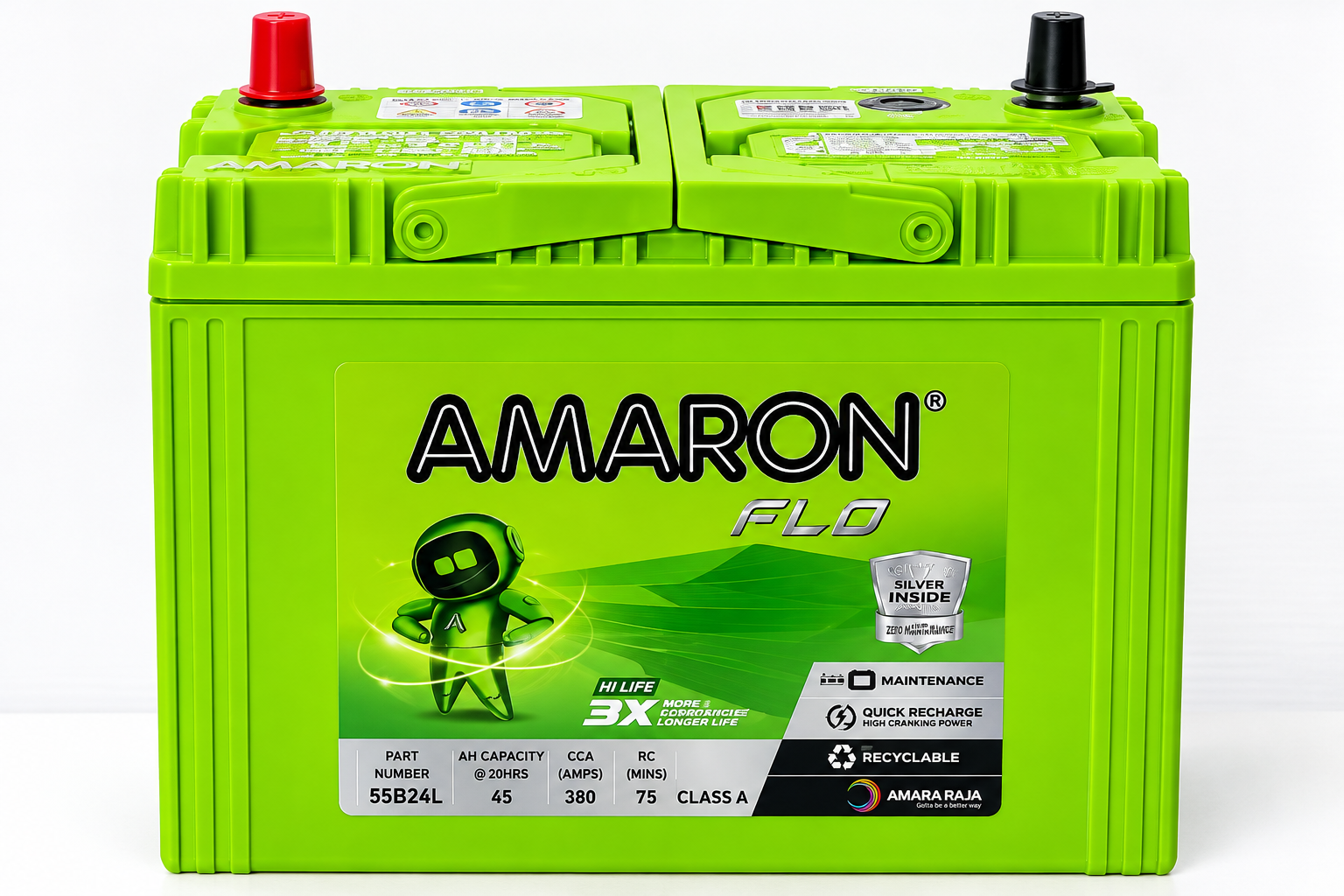
A 12V 45Ah MF Battery can provide useful power for selected low-energy applications, but whether it is enough depends on your daily consumption and the battery’s intended purpose.
For a few LED lights or a small backup load, its rated capacity may be adequate. For longer backup periods, multiple appliances, or demanding solar applications, you may need more capacity.
Most importantly, make sure the battery is designed for your intended use. Maintenance-free construction does not automatically mean that a battery is suitable for repeated deep discharge.
At Battery Master, we believe the right battery choice starts with understanding your energy needs. By checking your load, backup duration, charging system, and battery specifications, you can choose a solution that provides more reliable performance and better long-term value. Visit Battery Master to explore available options or contact us to discuss your requirements.