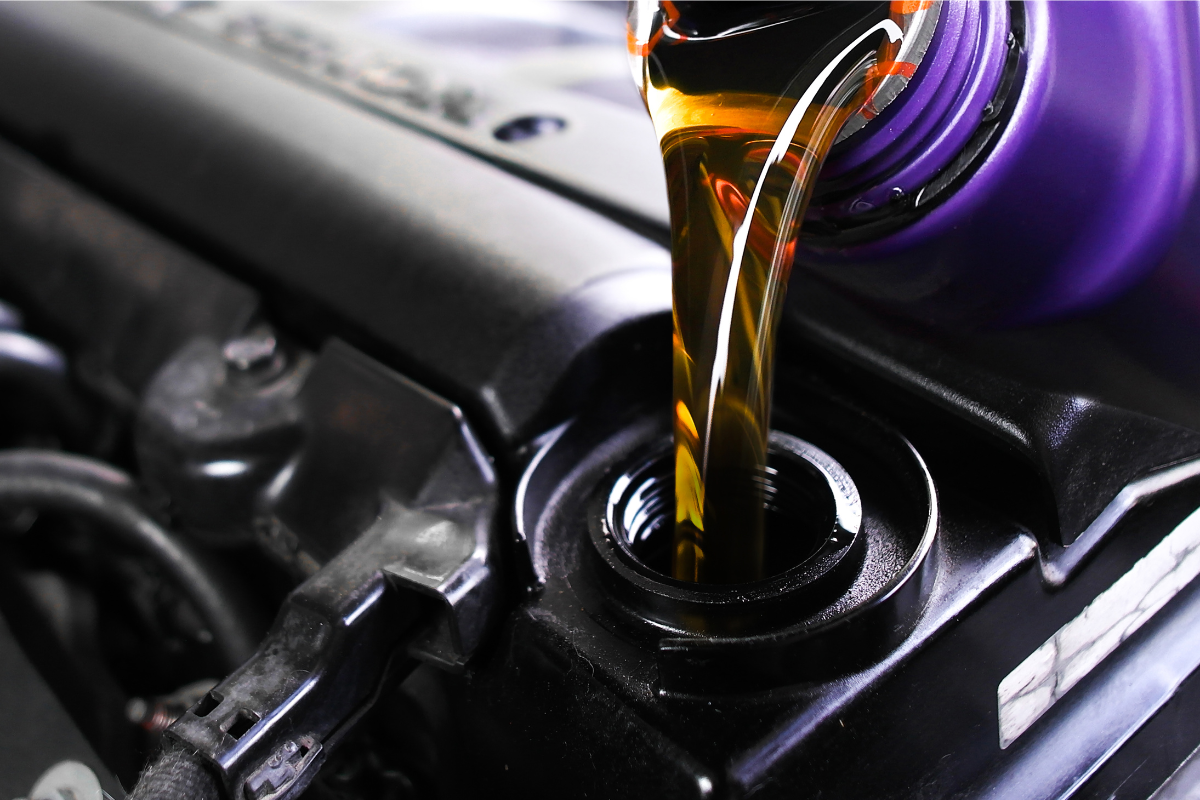
Most drivers think engine oil is a simple choice. Pick a good brand, change it on time, and you are done. That assumption is wrong.
Engines fail faster, not because of bad oil, but because of the wrong oil grade. In the United Arab Emirates, where heat, traffic, and long drives push engines harder than usual, using the wrong lubricant can quietly damage your engine over time.
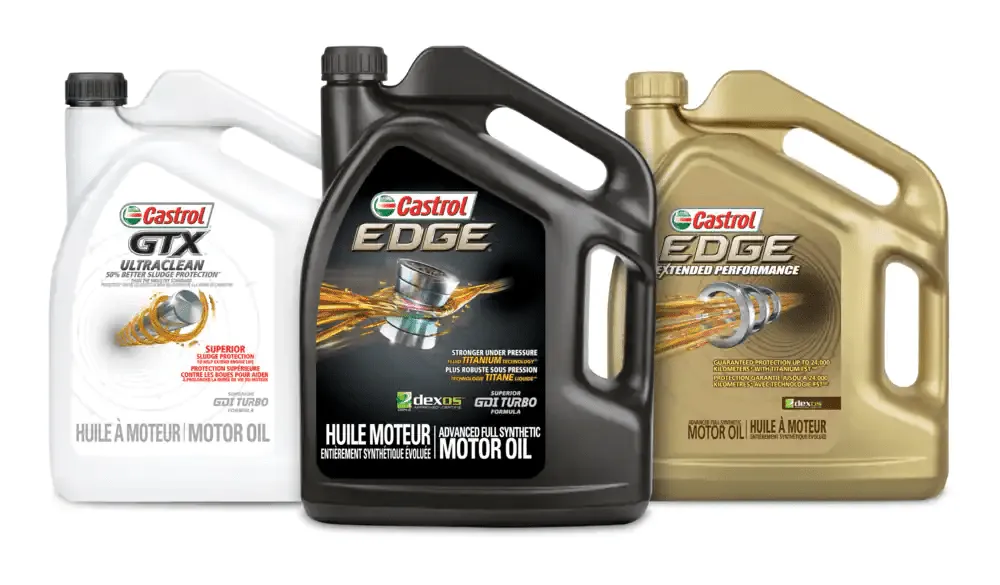
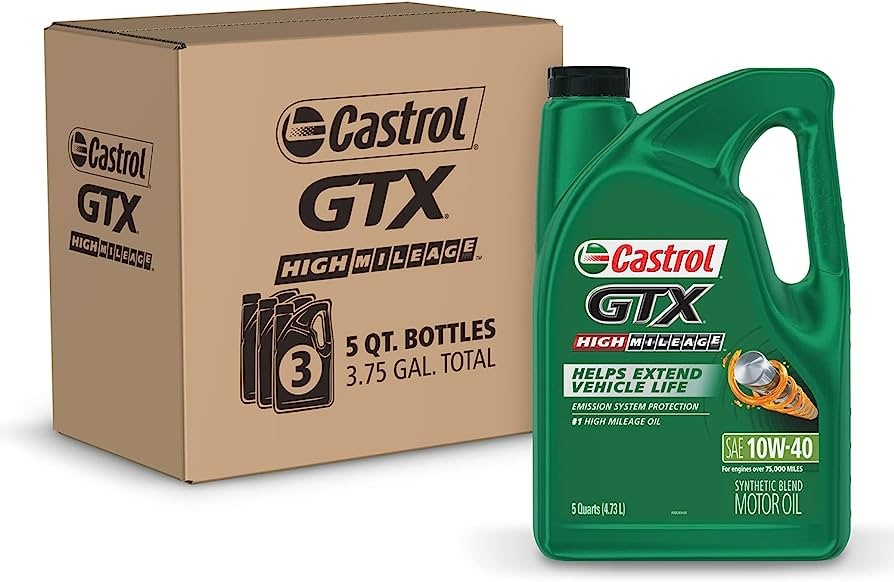
If you are using Castrol Lubricants in the UAE, the real issue is not quality. It is compatibility. The right grade can protect your engine. The wrong one can shorten its life.
What “Oil Grade” Really Means (Without the Confusion)
Oil grade is not just a number on the bottle. It defines how the oil behaves in different temperatures.
You will see labels like:
- 5W-30
- 10W-40
- 15W-50
Breaking it down simply
- The first number (before W) shows how the oil flows during cold starts
- The second number shows how thick the oil remains at high temperatures
Why this matters
- Oil that is too thin → fails to protect at high heat
- Oil that is too thick → struggles to circulate properly
Both situations increase engine wear.
Why UAE Conditions Change Everything
What works in Europe or colder regions may not work here.
Real conditions in the UAE
- Ambient temperatures often exceed 40°C
- Engines heat up faster in traffic
- Long highway drives increase stress
- Dust and sand affect engine performance
Impact on engine oil
- Oil breaks down faster
- Viscosity stability becomes critical
- Protection under heat matters more than cold-start performance
This is why choosing the correct grade of Castrol Lubricants in the UAE is not optional. It is essential.
Understanding Castrol Lubricant Types
Castrol offers different oil technologies. Each serves a specific purpose.
1. Fully Synthetic Oils
Best for modern engines and demanding conditions.
Advantages
- Better heat resistance
- Longer oil life
- Superior engine protection
- Improved fuel efficiency
2. Semi-Synthetic Oils
Balanced option for everyday use.
Best for:
- Regular city driving
- Moderate engine loads
3. Mineral Oils
Basic protection for older engines.
Limitations:
- Break down faster in high heat
- Less efficient under heavy load
How to Choose the Right Oil Grade (Step-by-Step)
Most people guess. That is the problem. Here is the correct way to decide.
Step 1: Follow the Manufacturer Specification
Your car manual is the primary reference.
Look for:
- Recommended viscosity (example: 5W-30)
- API or ACEA standards
Ignoring this is the fastest way to damage your engine.
Step 2: Adjust for UAE Climate
In high temperatures, slightly higher viscosity helps maintain protection.
General guideline
|
Usage Type |
Recommended Grades |
|
Daily city driving |
5W-30 or 10W-40 |
|
High heat and long drives |
10W-40 or 15W-50 |
|
Heavy-duty/commercial use |
15W-40 or higher |
Step 3: Consider Driving Conditions
Your usage matters more than you think.
- Frequent short trips → need good cold-flow oil
- Long highway driving → need heat-stable oil
- Heavy loads → require thicker oil
Step 4: Factor in Engine Age
- New engines → lower viscosity oils for efficiency
- Older engines → higher viscosity to reduce wear and leaks
Common Mistakes That Cost You Money
These are not minor errors. They directly impact engine life.
Avoid these at all costs
- Choosing oil based only on price
- Using the same oil for every vehicle
- Ignoring climate conditions
- Delaying oil changes
- Mixing different oil types
Signs You Are Using the Wrong Oil
Your engine does not fail suddenly. It shows symptoms.
Watch for these warning signs
- Engine noise increases
- Fuel consumption goes up
- Engine feels sluggish
- Overheating becomes frequent
- Oil level drops quickly
If you notice these, your oil grade may be wrong.
Real Impact: What the Right Oil Actually Does
Using the correct oil grade is not just maintenance. It directly improves performance.
Benefits you will notice
- Smoother engine operation
- Better fuel efficiency
- Reduced internal wear
- Improved temperature control
- Longer engine lifespan
With the right selection, Castrol Lubricants in the UAE can perform exactly as intended, even under extreme conditions.
Why the Supplier Matters More Than You Think
Even the correct oil can cause problems if it is:
- Not genuine
- Stored improperly
- Recommended incorrectly
Working with trusted providers like Battery Master UAE ensures:
- Authentic Castrol products
- Correct grade recommendations
- Proper handling and storage
- Expert support
This reduces the risk of engine damage caused by incorrect or counterfeit products.
Quick Checklist Before Your Next Oil Change
Use every time.
- Check manufacturer’s recommendation
- Consider the UAE temperature conditions
- Matched oil to driving pattern
- Choose the correct viscosity grade
- Used a genuine product
- Scheduled next oil change
If you skip any of these, you are taking a risk.
Key Takeaway
Engine oil is not a generic product. It is a precision decision.
Using Castrol Lubricants in the UAE is a strong choice, but only if you select the correct grade for your engine, environment, and usage.
The difference between the right and wrong oil is not small. It is the difference between a smooth-running engine and expensive repairs. To get the best Castrol lubricants in the UAE, visit BatteryMasterUAE or get in touch with our team at +971 56 813 0122.