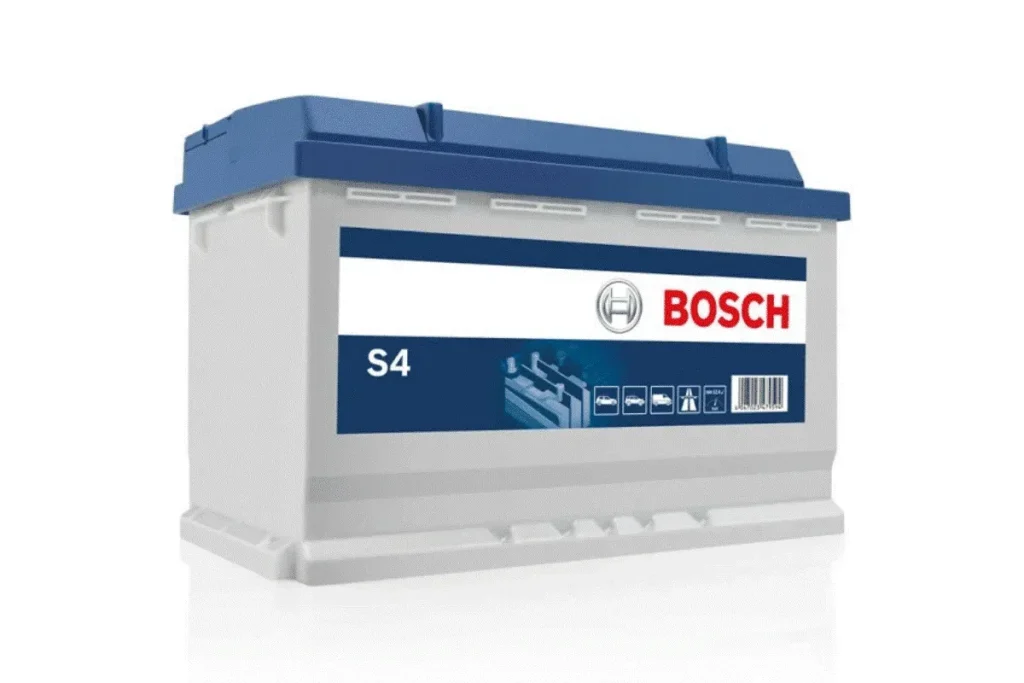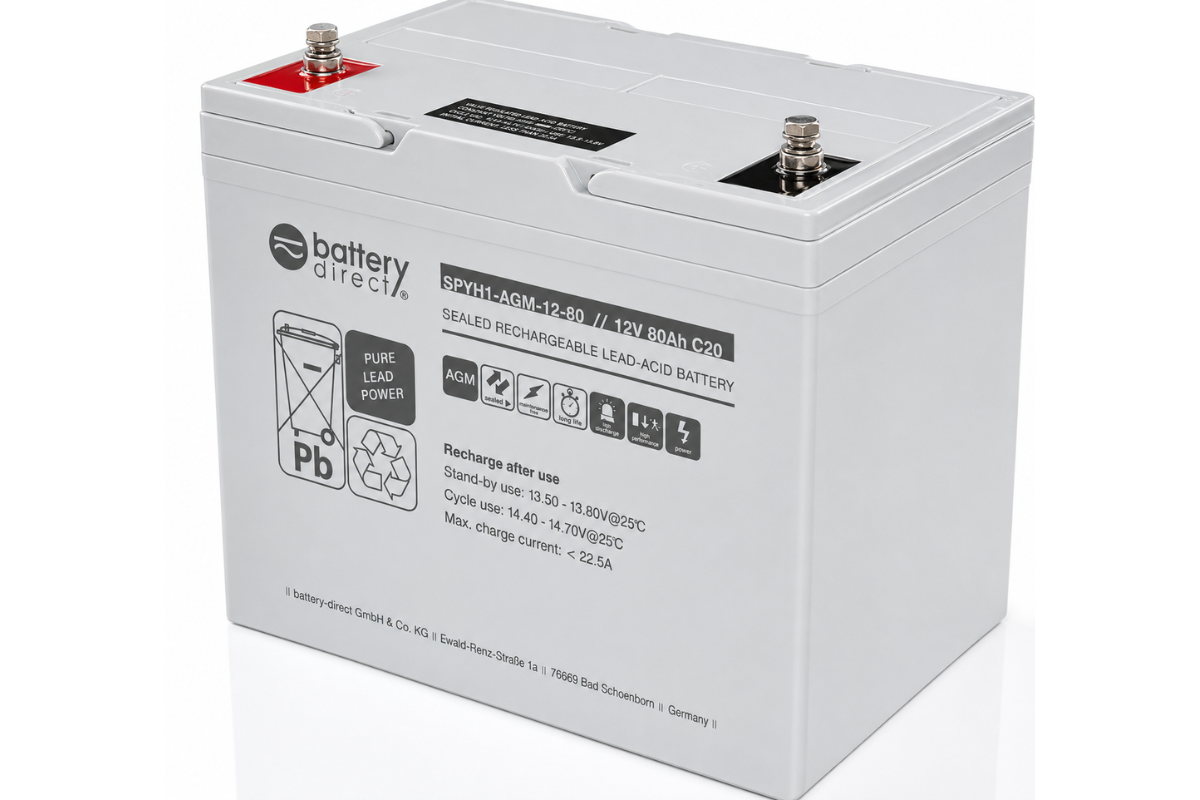
Do mechanics get it wrong when they test a battery? You probably wouldn’t think that they do, but it is not as uncommon as you might imagine. If you have ever owned an AGM battery and gone to get it tested, you would know that it is true. Why does this happen, though? Is it because the mechanics do not know what they are doing? Or is there something wrong with AGM batteries? The answer is neither. Well, sort of!
The real problem here is the standards to which batteries are tested, regardless of how much they have evolved. A lot of mechanics still stick to the traditional methods of battery testing and end up condemning functional AGM units prematurely. This is why these batteries that were diagnosed dead by certain mechanics turn up working just fine somewhere else and leave you wondering what exactly was wrong the first time.
AGM batteries, or Absorbent Glass Mat batteries, behave differently from the old flooded lead-acid batteries most of these mechanics grew up working on. As opposed to the latter, an 80Ah AGM battery is built with different internal chemistry, higher tolerances, and a different response curve under load. This is why testing it the old-fashioned way often gives the wrong answer. At Battery Measure, we follow the proper steps of how an AGM battery is supposed to be tested with our countless customers, and that’s exactly why we know what we are talking about!
What makes AGM batteries different?
AGM batteries are designed using the Absorbed Glass Mat technology, where, instead of free-flowing liquid acid, the electrolyte is held in a fiberglass mat between the plates. This design is what puts the AGM batteries at an advantage over their alternatives.
- Faster charge acceptance
- Better resistance to vibration
- Lower internal resistance
- Longer service life when maintained properly
That said, these same features make an 80Ah AGM battery react differently under a voltmeter or load tester than a standard flooded battery. This is why a traditional testing method that works on an ordinary battery sometimes produces wrong results on AGM technology, and the reason why many workshops go wrong.
Common mistakes mechanics make when testing AGM batteries
There are a bunch of the most common mistakes in testing that lead to misleading results when it comes to AGM batteries.
1. Testing immediately after charging
This is one of the most frequent errors. The mechanics test voltage right after the battery is fully charged. The reason why this method leads to wrong results is the surface charge that AGM batteries hold, which shows a voltage reading higher than the actual resting state.
So, instead of testing the battery right after it came off charging, let it rest for at least 30 minutes to an hour after charging or after the vehicle has been running. This allows the surface charge to dissipate so that the voltmeter can show the real state of charge.
2. Flooded battery voltage charges
You are supposed to use a different state-of-charge chart for different battery types. Instead, many technicians use the same chart for all kinds of batteries, which again is a mistake. An 80Ah AGM battery has a voltage-to-charge relationship that is a little different from a flooded battery. So, when a mechanic reads it against the wrong chart, it will lead to the battery being deemed unfit. On the other hand, the same process can result in the mechanic declaring a weak battery healthy purely because he or she read it wrong.
The right way to do this is to use the manufacturer’s AGM-specific voltage chart. As a general guide, you can follow the pointers below.
- 8V to 12.9V: fully-charged AGM battery
- 6V: around 75% charged
- 4V or below: a battery that needs charging or further testing
3. Applying too much load for too long
Although AGM batteries can handle a high burst of current, that does not mean that they should be pushed in the same way as a flooded battery during testing. The problem with that is that overloading an 80Ah AGM battery during a manual load test, or holding the load for too long, can cause stress on the plates and alter the results.
You can avoid this by following the manufacturer’s guidelines on load duration. As per the guideline, the duration is up to 10 to 15 seconds, while allowing the battery to recover between tests.
4. Skipping the load test
A voltage reading is just one part of the test. That alone does not tell you much, not even whether the battery can deliver current under real demand, say, for instance, starting an engine. Some mechanics stop at the first stage where you test the voltage since it is quick, even though it only tells part of the story.
You should also conduct a proper load test along with the voltage test to make sure the battery will work properly under all expected conditions. The load test can be conducted by using a digital battery analyzer rather than an old-style carbon pile tester. The former is gentler on the AGM internal structure in comparison. It also gives a more accurate read on cold cranking amps and internal resistance.
5. Neglecting the temperature factor
Battery life and efficacy are easily influenced by extreme temperature conditions, be it cold weather or hot weather. For example, a battery tested under hot conditions can show a much higher voltage than it actually has. In the same way, when it is tested in a cold workshop, it may show a lower voltage compared to what it actually is.
Whenever you get your battery tested, note the ambient temperature so that you can adjust expectations accordingly. Most digital testers come with a temperature compensation feature. Even if the one that you use does not have it. You can easily make up for it by factoring in the AGM battery capacity readings that shift by several percentage points depending on temperature.
6. Not checking for parasitic draw
In rare cases, it would not be the battery that has a problem. Instead, it might be a mechanic who jumps straight to conclusions without checking for a parasitic electrical draw. This leads to replacing a perfectly good battery with a new one while the real issue, which is a faulty relay or a component drawing power overnight, goes unnoticed.
So, the logical move would be to rule out parasitic drain with a multimeter before assuming the battery has failed.
Frequently Asked Questions
1. Can the 80Ah AGM battery be tested with a regular multimeter?
Yes, absolutely; a multimeter can show you the resting voltage. However, a regular multimeter is not enough to find out whether the battery can hold a load. A full test includes both a voltage check as well as a load test.
2. How often should I get my 80Ah AGM battery tested?
Most vehicle owners testify that they benefit from a battery test every six months, which is hence considered a healthy interval to do so. That said, if you notice slow cranking, dimming lights, or electrical faults concerning your battery, get it tested immediately.
3. Where can I get my AGM battery tested in the right way?
At Battery Master, we offer proper AGM battery testing using industry-standard digital equipment and AGM-specific procedures. If you are searching for an expert in AGM battery testing in Dubai, visit our website to book a test.