Sodium-Ion Battery vs Lithium-Ion Battery: Which Is Right for Your Application?

SODIUM ION BATTERY

Picking the right battery used to be pretty simple. You looked at how much power you needed, checked your budget, and almost always ended up buying a standard lithium option because it was the undisputed king of modern technology. But the energy conversation is changing fast across the globe. Today, shifting material prices, supply chain bottlenecks, and the constant search for safer alternatives have industrial fleet managers and daily drivers exploring different setups. If you are deciding between a sodium ion battery and the old lithium energy, it really depends on what your particular workflow needs most. Do you need something light and compact, or are you looking for predictable long-term expenses, unrivalled fire safety and consistent performance when the elements turn nasty? At Battery Master, we make it our business to keep an eye on these shifting tech trends so you don’t have to, helping companies and car owners all over the UAE find the most dependable, effective and affordable energy configurations for their daily needs.

Looking Under the Hood: The Basic Chemistry

Both of these systems work on the same basic idea. They are rechargeable setups that store and release electrical energy by moving ions back and forth between a positive electrode and a negative electrode. When you plug your equipment into a charger, the ions migrate one way; when you draw power to start an engine or run a warehouse backup system, they move the other way. Even though the process feels identical from the outside, the chemical materials working inside the cells create an entirely different experience when you put them to work in the real world.

  • Lithium-Ion Batteries: These use lithium, an element known for being incredibly lightweight with a tiny atomic footprint. Because lithium ions can bundle together tightly, they boast an exceptionally high energy density. This means you can pack a tremendous amount of electrical capacity into a tiny, lightweight physical box, making it the default option for tools and vehicles that have to carry their own weight.
  • Sodium Ion Battery Setups: Instead of relying on rare or expensive metals, this technology uses sodium ions, which are naturally harvested from common salt compounds. Because sodium ions are physically larger and heavier than lithium ions, the cells naturally have a lower energy density, requiring a larger physical footprint to store the same amount of raw electricity. However, because salt is incredibly abundant and found all over the planet, the costs to source these raw materials remain stable, keeping manufacturing prices completely insulated from market spikes.

Head-to-Head: How They Compare Across Critical Metrics

To make a smart choice for your corporate fleet, industrial warehouse, or personal vehicle, you need to understand how a sodium ion battery measures up against its lithium-ion counterpart in real-world scenarios. Breaking down their characteristics across daily operational needs makes the decision much easier:

Feature

Lithium-Ion Battery

Sodium Ion Battery

Physical Space and Total Weight

Excellent footprint. It packs high energy density into a compact, light shell that fits easily into tight vehicle frames.

Bulkier and heavier. It requires a slightly larger casing to provide the equivalent runtime as lithium.

Raw Material Pricing Stability

Unpredictable. Market prices go up and down dramatically depending on the global availability of lithium and cobalt.

Steady and predictable. Since sodium is incredibly easy to source, manufacturing costs stay low and reliable.

Safety and Overheating Risks

Requires complex management systems because it can experience thermal runaway if punctured or overheated.

Incredibly stable chemistry. It is naturally non-flammable, which drastically cuts down on fire or explosion hazards.

Weather and Climate Resilience

Suffers severe capacity drops and struggles to hold a steady charge when exposed to extreme freezing cold or intense desert heat.

Phenomenal thermal tolerance. It operates smoothly and holds its charge even in intense heat or deep sub-zero conditions.

Lifespan and Cycling Depth

Highly durable over thousands of cycles, but degrades rapidly if completely drained to zero volts too often.

Excellent longevity. It easily handles deep discharges and offers a massive cycle life compared to traditional lead-acid choices.

Matching the Battery to Your Daily Applications

When to Stick with Lithium-Ion

If saving weight and maximizing the amount of power you can squeeze into a tiny space are your absolute top priorities, lithium-ion is still the undisputed champion of the market. It remains the ideal choice for applications like:

  • High-performance passenger electric vehicles (EVs) that need to travel hundreds of kilometers on a single charge without carrying extra weight.
  • Handheld consumer electronics like your daily smartphones, business laptops, tablets, and mobile communication equipment.
  • Compact warehouse material handling equipment and electric pallet jacks that have small, highly restrictive battery compartments.
 

When a Sodium Ion Battery Makes More Sense
SODIUM ION BATTERIES

If your equipment has a bit of extra physical room and your main concerns are keeping upfront costs stable, protecting against extreme temperatures, and ensuring maximum fire safety, sodium is a fantastic option. You should seriously consider making the switch to a sodium ion battery if you are managing operations such as:

  • Solar and Wind Power Storage Systems: Ideal for stationary renewable grids where the cells sit safely in a fixed utility room and physical weight does not impact performance at all.
  • Industrial Warehouse Backup Power & UPS: Perfect for maintaining continuous emergency electricity for data networks, security alarms, and warehouse lighting systems without requiring complex cooling setups.
  • Outdoor Gear in Demanding Climates: Exceptional for remote industrial or telecom stations that sit directly in harsh, sunny environments, as it eliminates the need for power-hungry air conditioning systems.
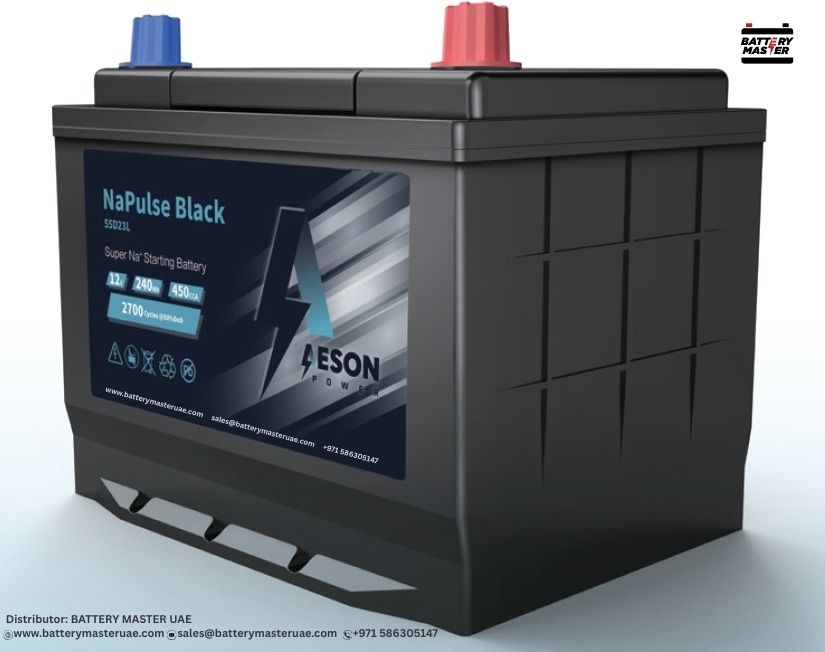
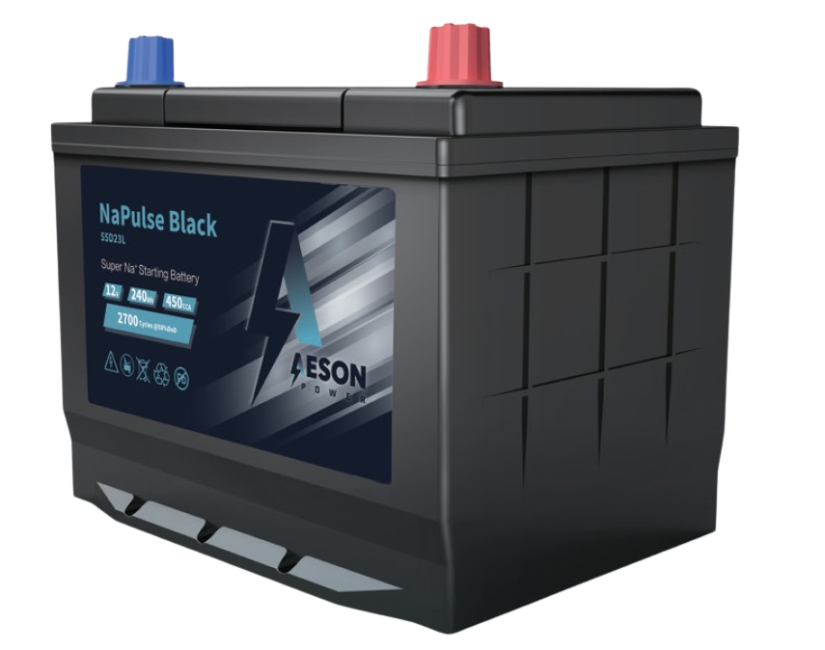
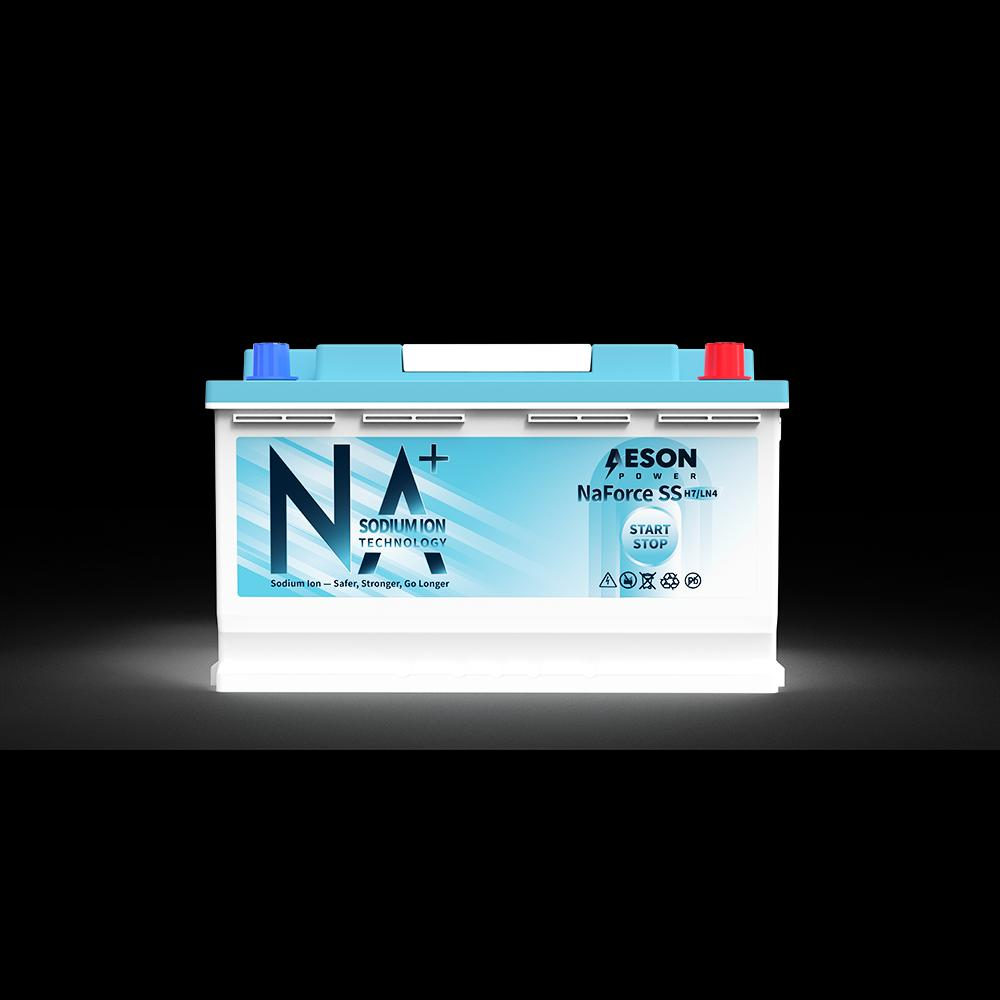
  • Automotive Starting and Cranking Systems: Forward-thinking manufacturers like Aeson Power are already building sodium-based car batteries that serve as direct, drop-in replacements for old lead-acid units. These give drivers an exceptionally long lifespan, up to three years of warranty coverage, and an incredibly fast, crisp engine start even on freezing mornings or hot afternoons.

The Final Verdict: Finding Your Perfect Energy Match

There is no single, absolute winner when you place these two advanced battery technologies side-by-side. Lithium-ion continues to be the dominant force for compact, weight-sensitive devices that need a massive amount of energy stored in a small package. On the other hand, the incredible safety profile, reliable performance in extreme weather, and stable pricing of the modern sodium ion battery make it a highly competitive choice for stationary commercial storage, solar arrays, and heavy-duty industrial projects.

Finding the right power configuration requires carefully balancing your equipment requirements with the right chemistry. At Battery Master, we specialize in sorting through these technical details so you can walk away with an energy solution that keeps your business moving forward. Whether you are managing a major commercial backup grid, upgrading a fleet of service vehicles, or just trying to source a long-lasting starting battery, our team has the hands-on expertise to point you in the perfect direction. Head over to our website to explore our full product inventory or reach out to our service professionals directly today to get the exact power setup your business demands.
FAQs

Is a sodium ion battery safer than a standard lithium-ion one?

 Yes! Sodium-ion batteries are one of the safest battery types available today. These batteries can be fully discharged to 0V for shipping, which eliminates the risk of fire incidents. They also have superior thermal stability, which makes them an ideal solution for hot climates like the UAE.

Yes, you absolutely can. Leading brands like Aeson Power are now manufacturing specific 12V sodium-ion starting batteries that look and act just like traditional car batteries. They serve as plug-and-play replacements for older lead-acid designs, giving you much faster engine cranking, a lighter build, and a much longer overall lifespan.

It all comes down to the physical size of the ions. Because sodium ions are larger and heavier than lithium ions, a sodium battery has to be physically larger to hold the exact same amount of energy. That extra bulk makes them brilliant for cars and buildings, but too large for slim pockets and sleek consumer electronics.

Share the Post:

Related Posts

Bulk Order - Product Inquiry