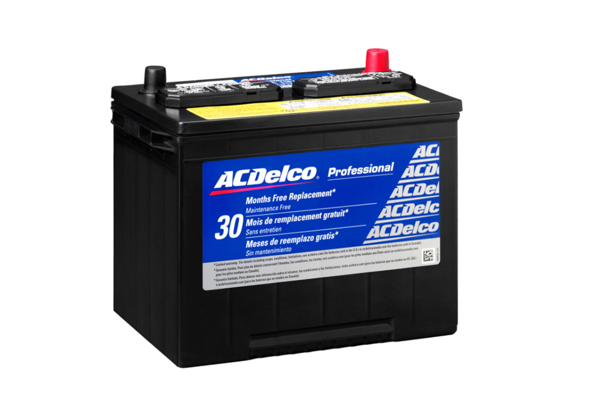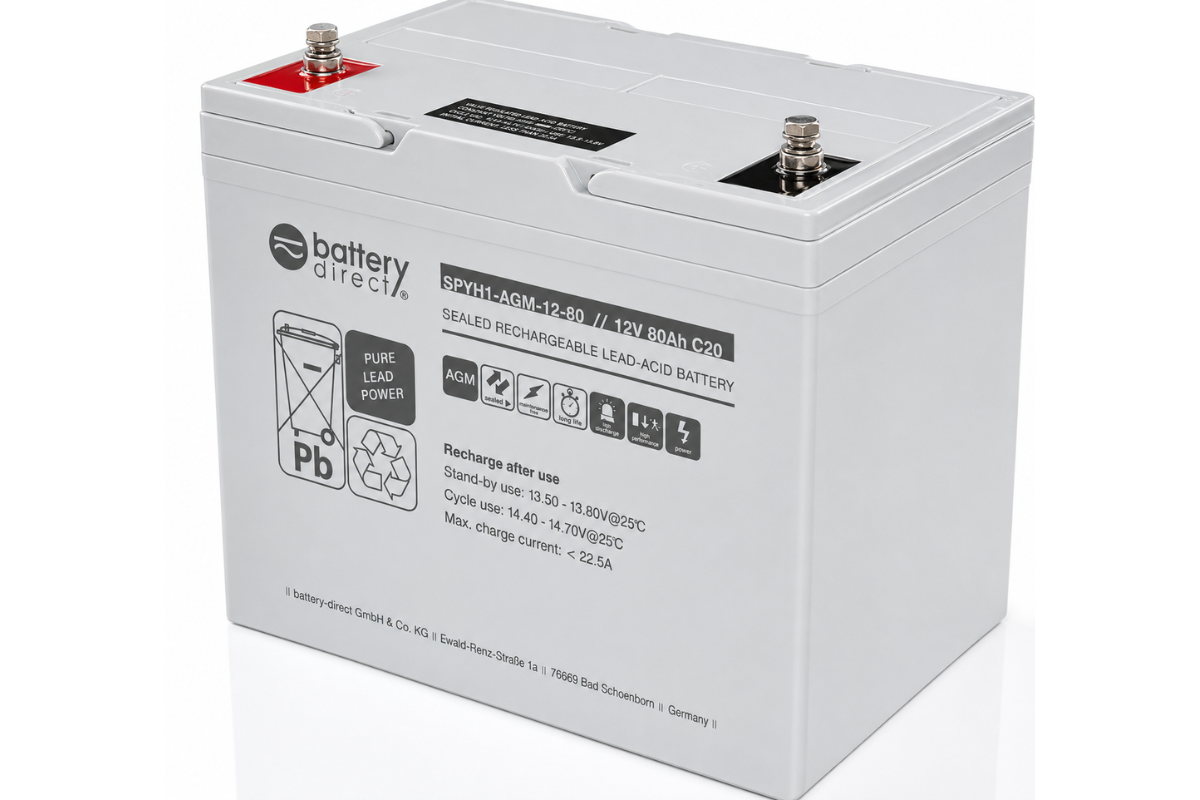
Nothing ruins a busy morning quite like turning your car key on a boiling summer afternoon only to hear a dull, lifeless click from under the hood. For years, drivers, fleet managers, and business owners across the region had to accept the short lifespans of traditional lead-acid units or pay high prices for sensitive lithium alternatives that struggle under the desert sun. When everyday reliability is on the line, figuring out whether a modern sodium-ion battery makes sense for your vehicle, warehouse, or commercial facility is one of the smartest moves you can make. At Battery Master, we help drivers and enterprise operators across the UAE find power options that stand up to tough weather without leaving you stranded with unexpected bills.
Understanding the Rise of Sodium Energy Technology
To see why sodium is gaining massive traction across the automotive and energy storage world, it helps to look at what happens inside a standard power cell. All rechargeable batteries work through a simple process: they push charged particles between positive and negative terminals to store electricity and release it on demand.
For decades, consumer electronics and modern vehicles have relied heavily on lithium. While lithium is lightweight and packs plenty of energy into a compact box, mining it is expensive and subject to global supply bottlenecks. Sodium-based systems take a different approach. They rely on sodium, an element easily extracted from abundant salt compounds found all over the world.
Because salt is everywhere, manufacturers do not have to worry about rare metal shortages or sudden price spikes. Even better, the internal structure of a sodium cell is remarkably durable. While the particles inside are slightly larger and heavier than lithium, they create a chemically stable setup that runs cool under heavy electrical loads and handles hot ambient temperatures with ease.
The Key Benefits of Sodium Power Systems
Switching to sodium power addresses a number of nagging difficulties that vehicle owners, logistics managers and facility supervisors deal with on a regular basis:
- Fire Safety Plus: Standard lithium packs can overheat and even ignite if damaged. But sodium chemistry; it’s surprisingly cool. It is inherently non-flammable and removes the risk of thermal runaway fires, so you can have complete piece of mind.
- Unmatched Heat Resistance: Desert heat is known to damage battery cells fast. Conventional units fail at summer temperatures above 45°C, whereas sodium systems can run smoothly up to 60°C without loss of charge or permanent damage.
- Affordable and Predictable Manufacturing Costs: Manufacturing costs are cheaper and predictable since inexpensive salt is used instead of costly metals such as cobalt and nickel. It shields consumers from abrupt market price swings when purchasing new units.
- Transport and Storage Safety at Zero-Volt: There are always safety issues in the transportation of charged batteries. Lithium units must be partially charged for transport, whereas sodium packs can be fully discharged to zero volts, which is safe for shipment and long-term shelf storage.
- High Speed Charging: Sodium cells can be charged at high speeds. In most applications, a sodium power pack can be charged from flat to 80% capacity in about twenty minutes, reducing waiting time.
- Extended Working Life: In warm areas, normal automobile batteries usually fail after two years. Sodium based batteries are engineered to withstand thousands of recharge cycles without appreciable power loss.
Honest Disadvantages: Knowing the Real Trade-Offs
There’s no power technology that’s perfect for every single scenario. Here are some practical issues to consider before investing in a new setup:
- Lower Energy Density: A sodium cell has less energy in the same physical region, as sodium particles are larger and heavier than lithium particles. This means the battery housing needs to be significantly larger to provide the same run time as lithium.
- Heavier Physical Build: The extra bulk and weight render sodium useful for cars, boats and buildings, but entirely inappropriate for slim personal items like smartphones or smartwatches.
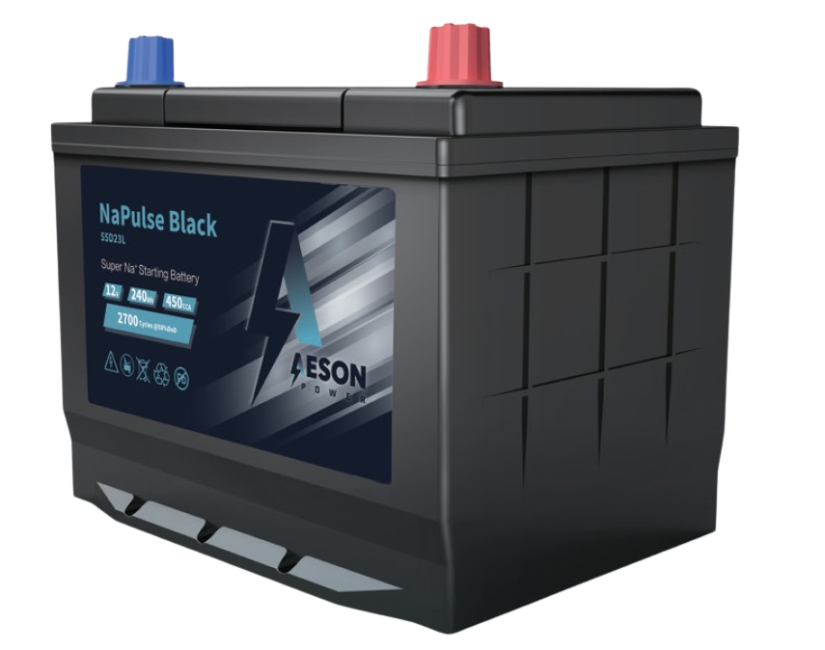
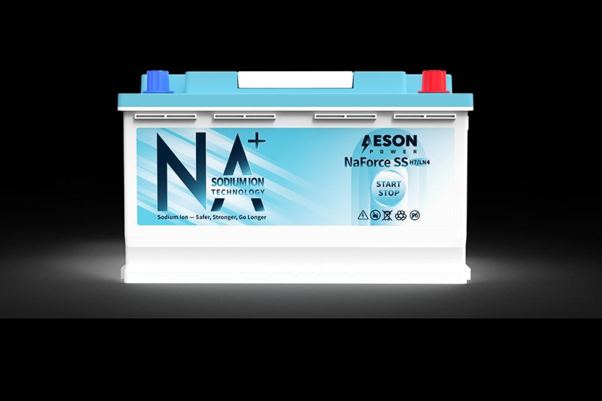
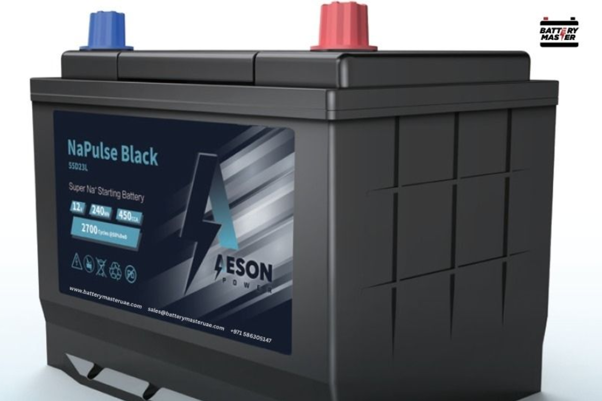
- Growing Market: Established manufacturers such as Aeson Power are providing high quality car starter units and industrial cells in mass production, but the local sodium delivery network is still maturing vs traditional lead acid alternatives.
How Sodium Compares to Other Common Batteries
Key Feature | Sodium Cells | Lithium Options | Classic Lead-Acid |
Fire Safety | Extremely high and non-flammable | Needs dedicated cooling safeguards | Moderate; can leak acid or fumes |
Performance in High Heat | Excellent; handles extreme climate | Drops power when too hot | Drains and dies quickly in heat |
Weight and Size | Moderate weight and size | Very light and compact | Heavy and bulky |
Cost Predictability | Steady and budget-friendly | Can spike unexpectedly | Low upfront cost |
Typical Lifespan | Thousands of cycles | Thousands of cycles | A few hundred cycles |
Where a Sodium Ion Battery Shines in Everyday Use
Knowing how these batteries behave in daily life helps clarify where they perform at their best:
- Everyday Car Starting: Many drivers are swapping out old lead-acid units for modern sodium starter batteries. Brands like Aeson Power design direct-fit replacements that deliver a crisp, reliable engine start every morning, even under direct sun.
- Solar Power Storage: Solar setups sit in one fixed spot at your home or business, which means physical weight is not an issue. Sodium storage banks soak up daylight power and keep things running through the night without needing an air-conditioned room.
- Emergency Backup Power: Commercial properties, storage facilities, and security setups need reliable standby power that kicks on instantly during a blackout.
- Material Handling and Heavy Machinery: Warehouse equipment like forklifts running multiple shifts benefit from fast charging and zero routine water-topping chores.
The Verdict: Choosing the Right Power Setup for Your Needs
Finding the best energy storage solution comes down to matching your daily needs with the right chemistry. If you need a lightweight battery that fits into a tiny compartment, lithium remains the top pick. But if your main goals are rock-solid fire safety, great performance in extreme heat, budget-friendly pricing, and a long working life, choosing a sodium-ion battery is an exceptionally smart move.
Buying reliable power equipment should never involve guesswork. Battery Master offers reliable energy products, from traditional automotive to next-gen sodium-based alternatives from innovators like Aeson Power. Whether you need a trusty starter battery to power your daily commute or need solid backup storage for a commercial facility, our expert specialists are here to help you make the right decision. Explore our complete online inventory today or contact our service team directly to find the exact power configuration built for your requirements.