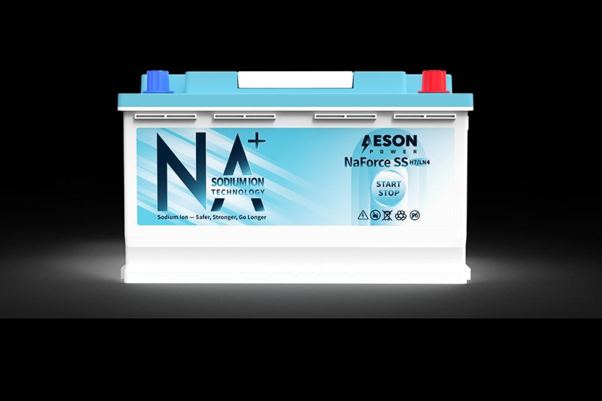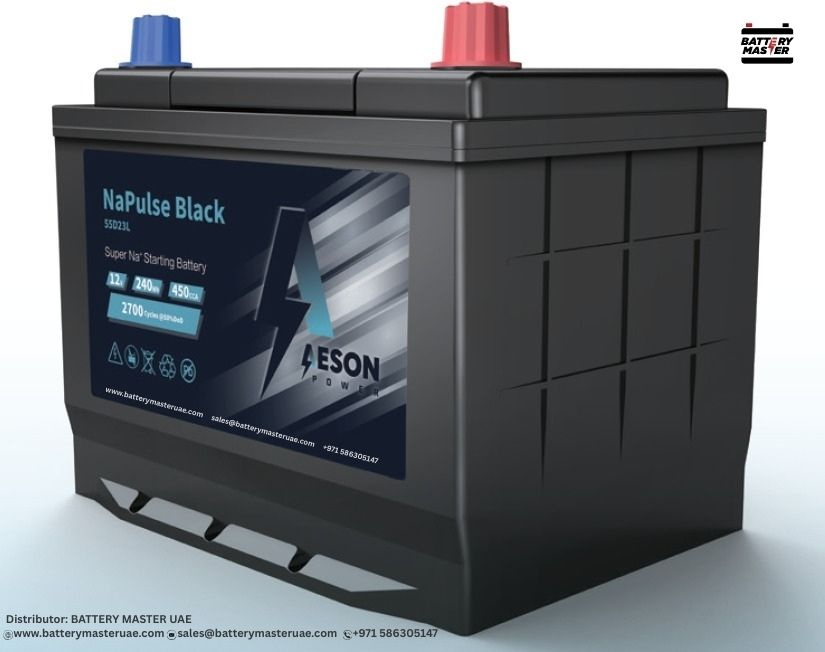
For a long time, lithium-ion batteries have been treated as the only serious option for electric vehicles. That belief stuck because there wasn’t a real alternative that could compete at scale. Now there is. Not perfect, not fully mature, but real enough to force a second look. Sodium-ion batteries are no longer limited to research papers or lab testing. They are being produced, tested in vehicles, and discussed by manufacturers who were once fully committed to lithium. The shift is not happening because the industry wants variety. It is happening because lithium comes with limitations that are getting harder to ignore. Cost, supply pressure, and performance under extreme conditions are all part of the problem. Sodium offers a different path, and that is exactly why it is being taken seriously.
What Exactly Are Sodium-Ion Batteries?
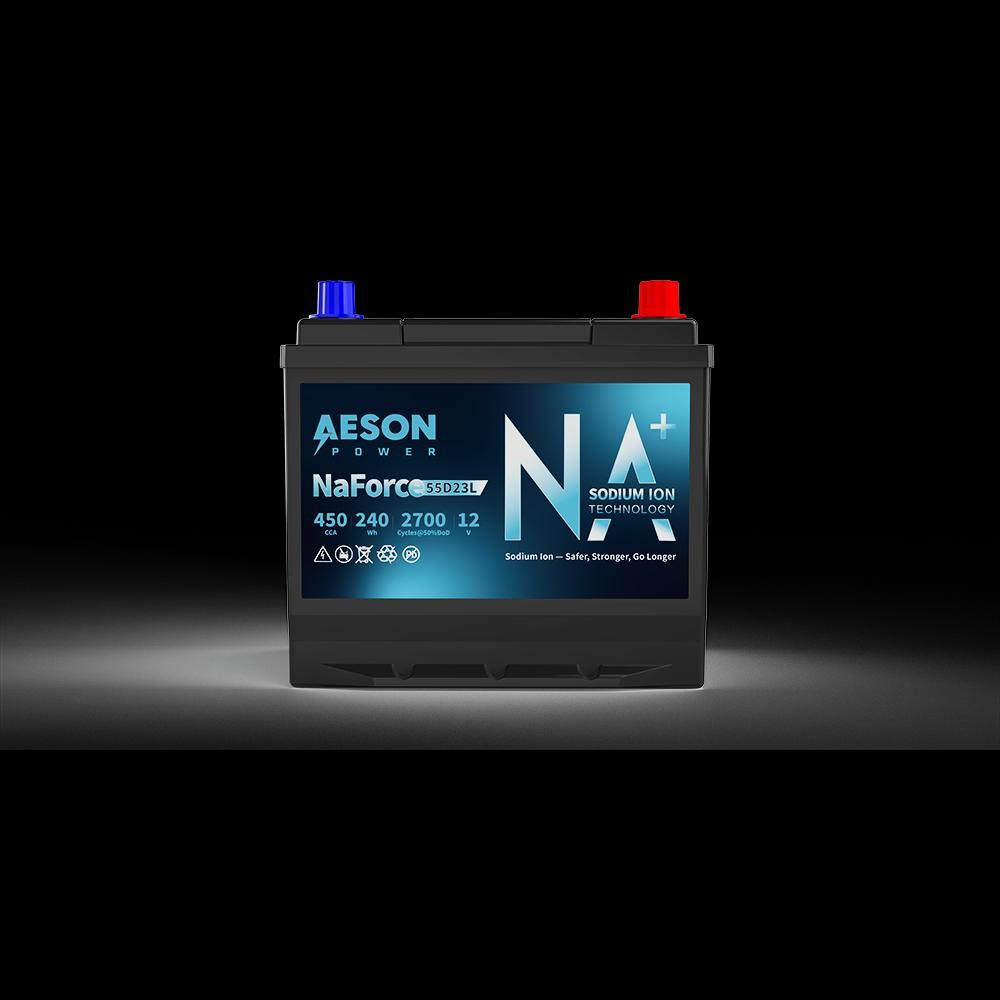
At a basic level, sodium-ion batteries work in a similar way to lithium-ion batteries. Energy is stored and released through the movement of ions between two electrodes. The key difference is the element used in that process.
Instead of lithium, these batteries use sodium.
That change might sound minor, but it is not.
- Sodium is one of the most abundant elements on Earth
- It can be sourced without heavy geographic dependency
- Extraction is less complex compared to lithium
This alone changes the economics of battery production. When raw materials are easier to source, costs become more predictable. That matters when you are trying to scale electric vehicles for mass use.
Why Lithium Is Starting to Show Its Limits
Lithium-ion batteries did their job. They made EVs possible at scale. But the cracks are visible now.
Here are the issues manufacturers are dealing with:
- Lithium prices have seen sharp fluctuations over the years
- Mining and refining are concentrated in limited regions
- Environmental concerns are increasing around extraction
- Supply chains are under constant pressure
None of these problems are theoretical. They directly affect vehicle pricing and availability.
Sodium-ion batteries enter the picture because they reduce dependency on these problem areas.
Where Sodium-Ion Batteries Stand Today
It would be inaccurate to say sodium-ion batteries are ready to replace lithium across the board. They are not. But they are also not experimental anymore.
Current reality:
- Pilot production is already underway in some markets
- Entry-level EVs are starting to test sodium-based systems
- Energy storage projects are adopting them faster than automotive
This is usually how new battery tech enters the market. It starts where performance demands are moderate, then improves over time.
The Biggest Trade-Off: Energy Density
There are no point pretending sodium-ion batteries are better in every way. They are not.
The main drawback is energy density.
In simple terms:
- Lithium-ion batteries store more energy in the same space
- Sodium-ion batteries currently deliver shorter driving range
That is the trade-off.
But here is the part most people miss. Not every vehicle needs maximum range.
City driving, daily commutes, and fleet operations rarely use the full range of high-end EV batteries. In those cases, lower cost and better stability can matter more than squeezing out extra kilometres.
Comparison That Actually Matters
| Factor | Lithium-Ion Batteries | Sodium-Ion Batteries |
| Material Availability | Limited | Widely available |
| Cost Stability | Unpredictable | More stable |
| Energy Density | Higher | Lower |
| Safety | Moderate | More stable |
| Heat Performance | Sensitive | More resistant |
This is why sodium-ion batteries are not replacing lithium. They are filling the gaps where lithium is inefficient.
Why Heat Resistance Changes the Game
Battery performance is not just about range. It is also about how the system behaves under stress.
In high-temperature regions, batteries degrade faster. That affects:
- Charging efficiency
- Battery lifespan
- Overall vehicle reliability
Sodium-ion batteries handle heat better than lithium-ion ones. They are less prone to thermal instability and tend to perform more consistently in extreme conditions.
For markets like the UAE, this is not a minor advantage. It directly impacts long-term performance.
Where Sodium-Ion Batteries Make Immediate Sense
Instead of asking whether sodium-ion batteries will replace lithium, the better question is where they fit right now.
Strong use cases include:
- Urban electric cars with predictable daily usage
- Delivery and logistics fleets
- Two-wheelers and compact vehicles
- Backup and grid storage systems
In all these scenarios, cost and durability matter more than maximum driving range.
What This Means for Vehicle Pricing
Battery cost is one of the biggest factors in EV pricing. Reduce battery cost, and the vehicle becomes more accessible.
Sodium-ion batteries have the potential to:
- Lower production costs for entry-level EVs
- Reduce dependence on expensive materials
- Stabilise pricing in volatile markets
This is where the real impact will be seen. Not in luxury EVs, but in mass-market adoption.
Sodium-ion batteries are part of that change. They are not a replacement for everything, but they offer a practical option where lithium falls short. For drivers and fleet owners, that means more choices instead of a one-size-fits-all approach.
Final Take
Sodium-ion batteries are not hype. They are a response to real problems the industry is facing. They will not replace lithium overnight, and they are not supposed to.
Their role is clear. Make electric mobility more affordable, more stable, and less dependent on limited resources.
That alone is enough to reshape how vehicles are built and sold over the next few years. Battery Master UAE works with vehicles across different segments, from conventional cars to newer electric models. We offer a variety of products in every category. Get in touch with our team at +971 56 813 0122.